
Real-World AnalysisReal-World Stories
Explore insights, applications, and stories from the field using handheld XRF, LIBS, VisNIR, and portable benchtop analyzers across scrap recycling, mining, geochemistry, forensics, and more.
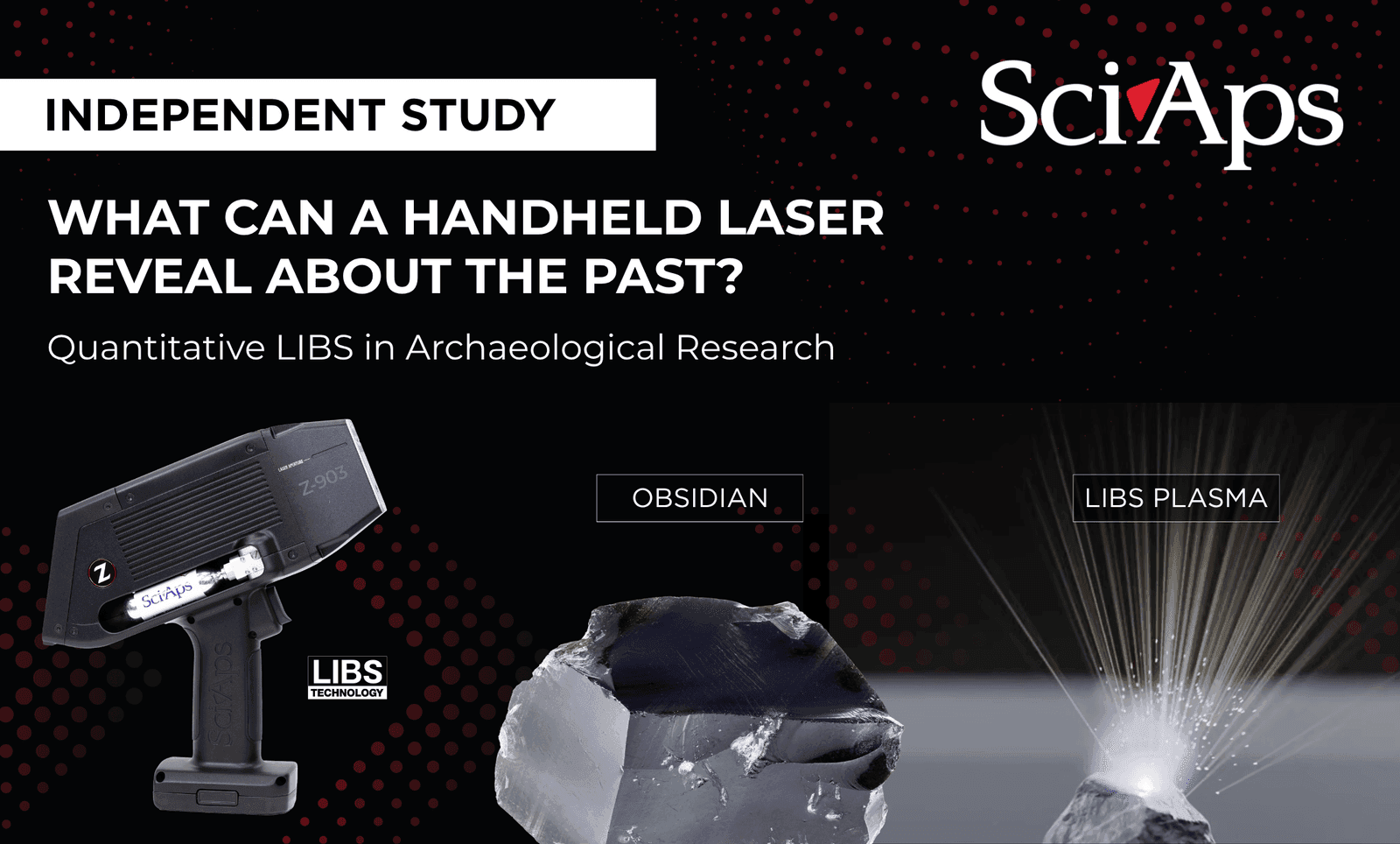
Independent Study: Quantitative Handheld LIBS Helps Reveal the Story Behind Ancient Artifacts
Researchers studying artifacts from the Archaeological Park of Tindari in Sicily used a SciAps Z-903 handheld LIBS analyzer to move beyond simply identifying elements. They developed a chemometrics-assisted calibration capable of quantitatively determining major, minor, and trace elements in silica-based materials.

From Star Trek's Tricorder to the NICU: Broadband Spectroscopy Brings Science Fiction One Step Closer to Reality
Could broadband spectroscopy help transform the early detection of life-threatening diseases? Researchers recently used the ASD LabSpec 4 broadband spectrometer to identify the optical signatures of necrotizing enterocolitis (NEC), a devastating intestinal disease affecting premature infants. By combining high-resolution spectral data with machine learning, the team demonstrated a promising non-invasive approach that could one day lead to faster bedside screening.
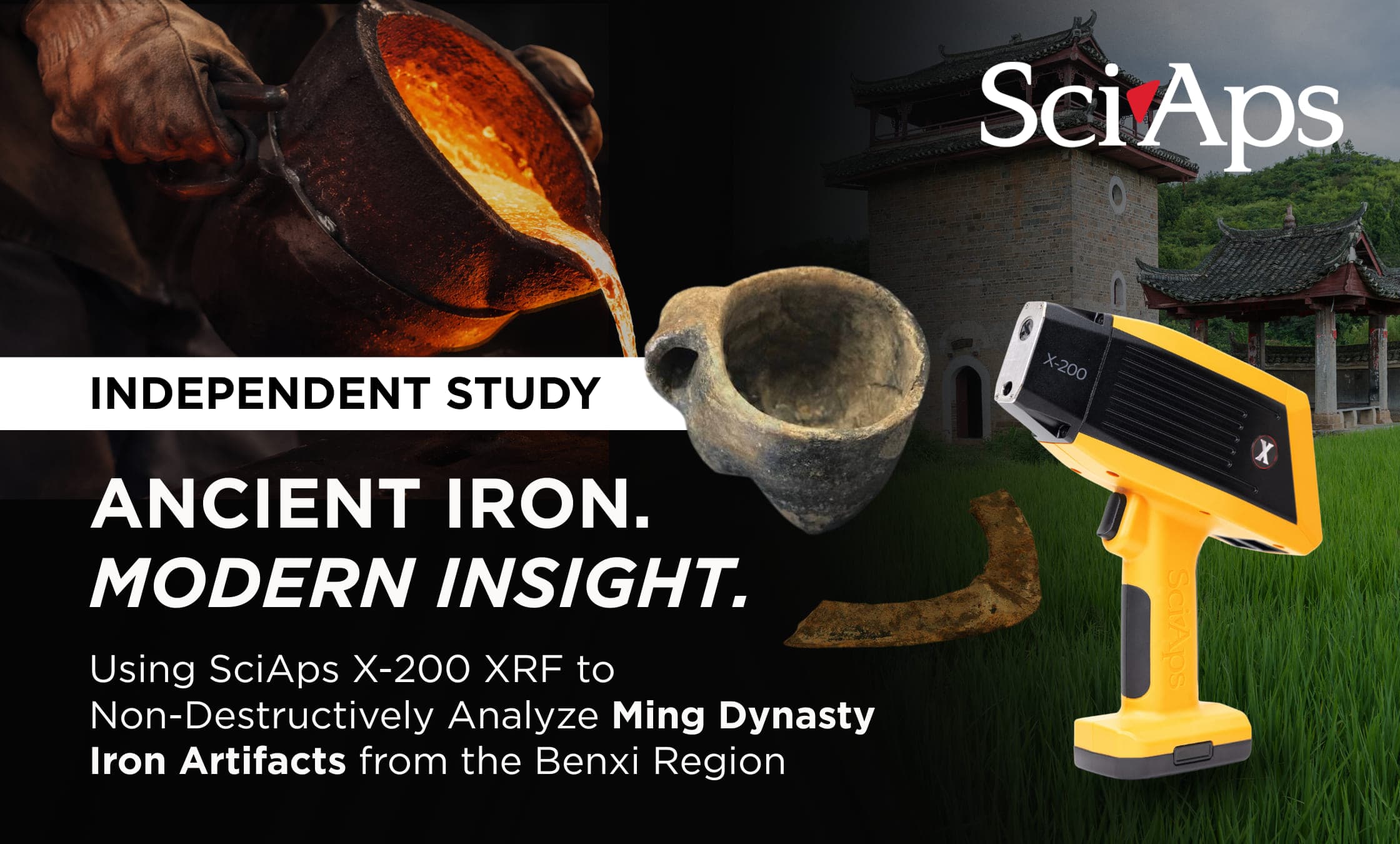
Handheld XRF Analysis Reveals Ancient Ironmaking Technology in China's Benxi Region
Researchers publishing in Processes investigated the ironmaking technologies used in the Benxi region of China during the Ming Dynasty, revealing a sophisticated metallurgical process chain that flourished more than 600 years ago. To preserve valuable cultural artifacts, scientists employed the SciAps X-200 handheld XRF analyzer to perform non-destructive elemental analysis on unearthed iron agricultural tools and other historical materials.
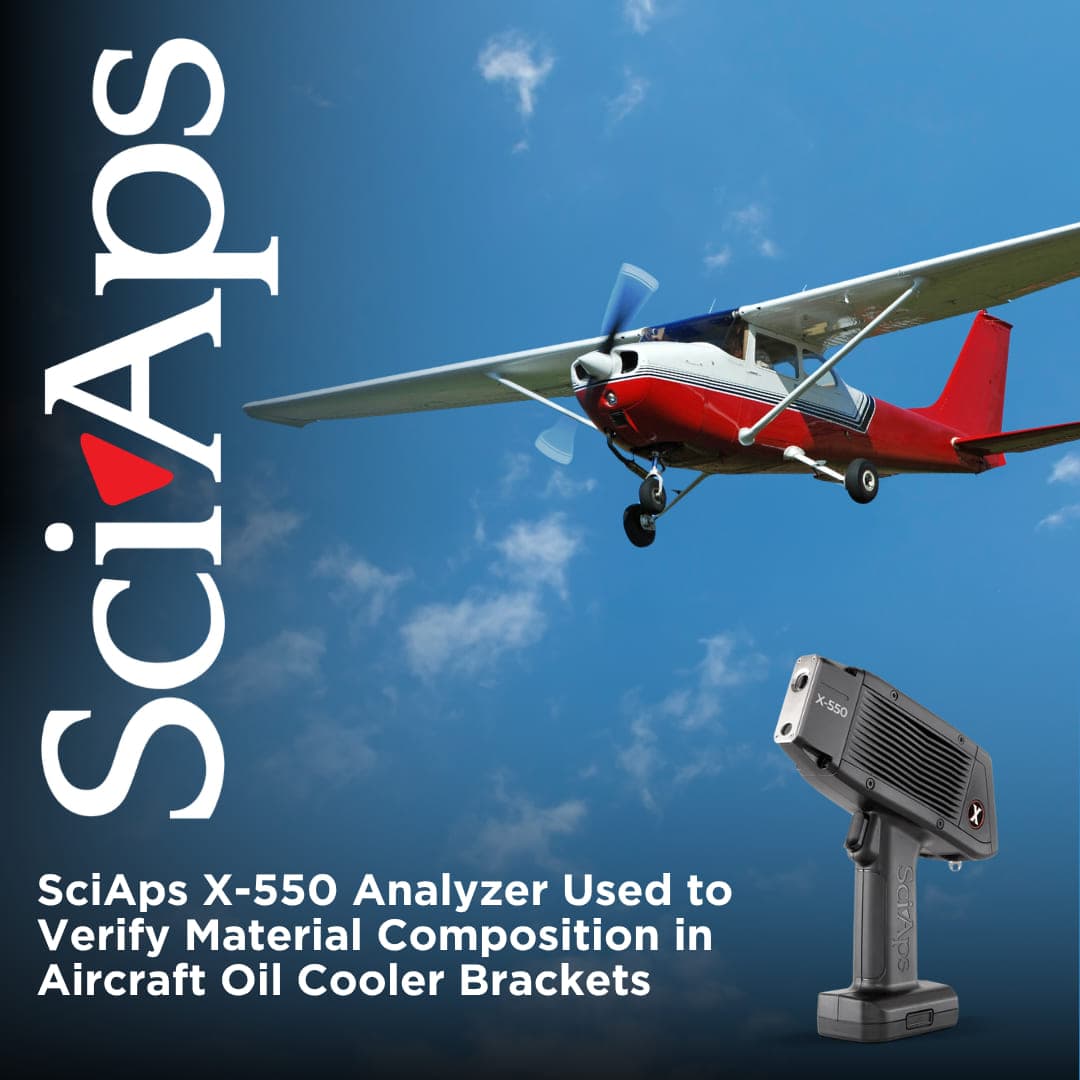
Preventing Failure Before It Happens: X-550 Supports Aircraft Fatigue Study
Researchers publishing in the Journal of Vibration Engineering Technologies investigated the root cause of fatigue cracking in the oil cooler assembly of a trainer aircraft. The study combined fractographic analysis, shaker table testing, finite element modeling, and fatigue life prediction to identify stress concentrations responsible for crack initiation and to develop methods for improving component reliability.
Analyzing the chemical content of pine needles with SciAps XRF
Recent Advances in the Compositional and Mapping Analysis of Iron Meteorites Using Handheld LIBS
The results of this study have shown that the hLIBS analyses of the external surface of iron meteorites allows the rough identification of iron meteorites in conditions where internal, flat, or polished surfaces are unavailable, as may occur during material discovery in the field.
Independent Study: Testing spices for lead content in Türkiye and Ethiopia
LEEP conducted this analysis in the United Kingdom using the SciAps X-550 Pb, using a cut-off point of 5 ppm for signs of adulteration with lead pigment. We did not detect lead levels above 5 ppm in any of the 211 samples.
SciAps HH LIBS analyzer used to authenticate cheese and coffee beans
Independent Study: SciAps HH LIBS used in food authentication study in conjunction with Raman spectroscopy. The outcomes of the study indicate that the Hy-R-LIBS system, coupled with its chemometric strategies, might be employed for food authentication with promising results.

SciAps LIBS analyzer for food authentication and fingerprinting
Independent Study: Analytical approaches for food authentication using LIBS fingerprinting to address the issue of food fraud.

Smithsonian Utilizes LIBS Academic Loaner for Chinese Belt Hooks Study
The Smithsonian Institution’s National Museum of Asian Art recently utilized a SciAps LIBS analyzer through the Academic Loaner Program to conduct a study on their Chinese Belt Hook collection.
Rapid Analysis of Muscovites on a Lithium Pegmatite Prospect by Handheld LIBS
This study illustrates how in-field analysis by handheld LIBS can be used as an analytical tool in granite pegmatite exploration and for rapid prospect evaluation.
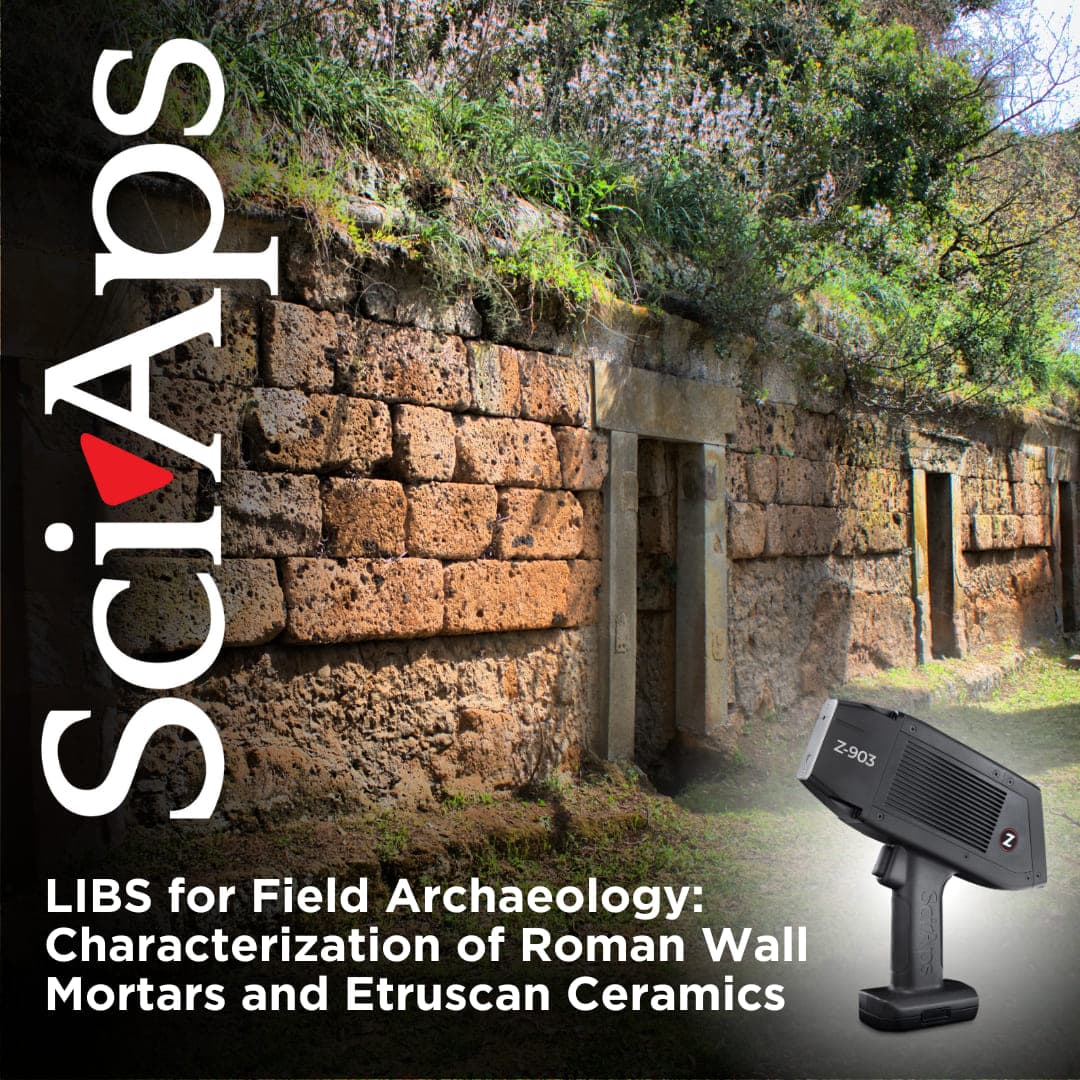
Handheld LIBS for Field Archaeology: Characterization of Roman Wall Mortars and Etruscan Ceramics
SciAps handheld LIBS was applied to two studies of archaeological material at excavation sites in the Orvieto (Umbria), Italy geographic region: Roman wall Mortars and Etruscan Ceramics. Study published in Applied Spectroscopy Practica.

Academic Loaner: Environmental soils in NJ parks with SciAps XRF
In Rutgers University, researchers used XRF to detect an exceedance of heavy metals in the soil of local parks.
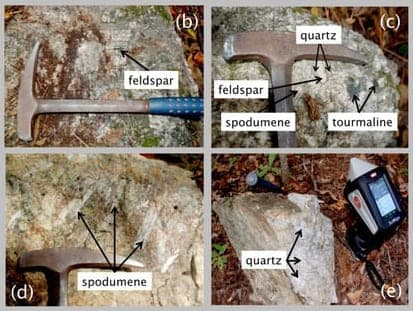
Handheld LIBS for Lithium Exploration: An Example from the Carolina Tin-Spodumene Belt, USA
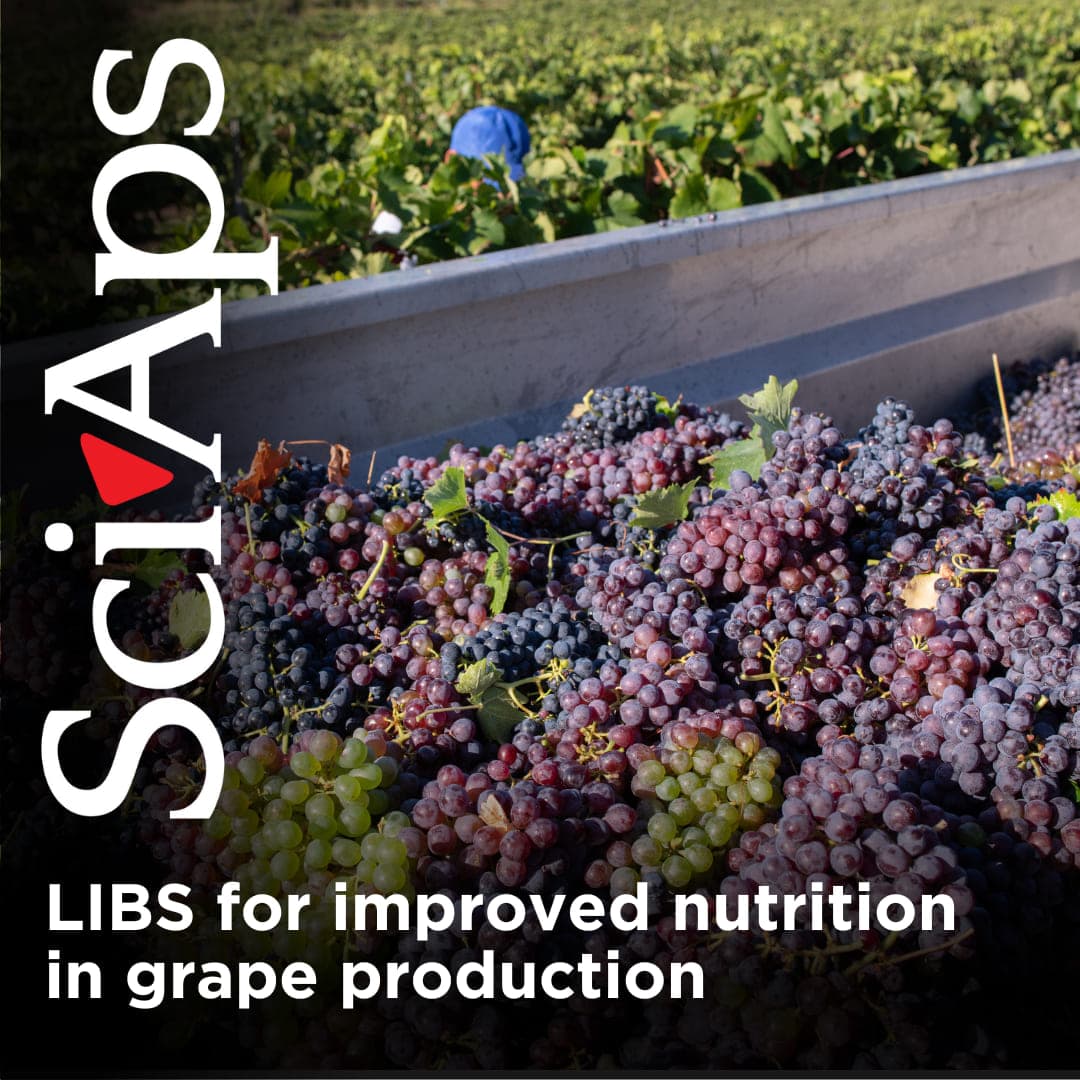
Finding a LIBS method for improved plant nutrition in grape production
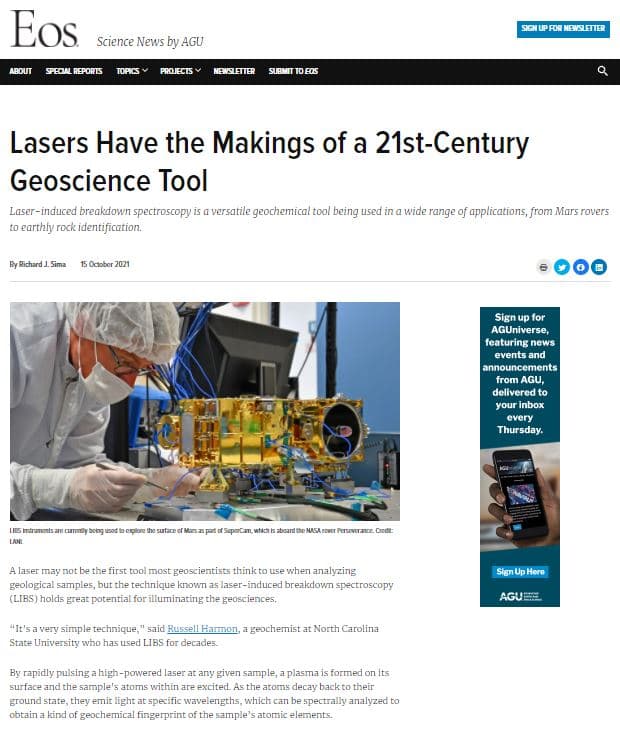
LIBS targeted for 21st-century geoscience
Lewis Owen of North Carolina State University is using the SciAps Z-300 handheld LIBS instrument to analyze rock varnish on granite boulders in the Alabama Hills of east central California. Credit: Harmon and Senesi, 2021.[/caption]In a recent AGU article, Richard Sima discusses the potential of LIBS for illuminating the geosciences. From the three instruments on the Mars rovers to the handheld LIBS used for fieldwork on Earth, Sima discusses the benefits and limitations of the versatile instrument.