
Real-World AnalysisReal-World Stories
Explore insights, applications, and stories from the field using handheld XRF, LIBS, VisNIR, and portable benchtop analyzers across scrap recycling, mining, geochemistry, forensics, and more.
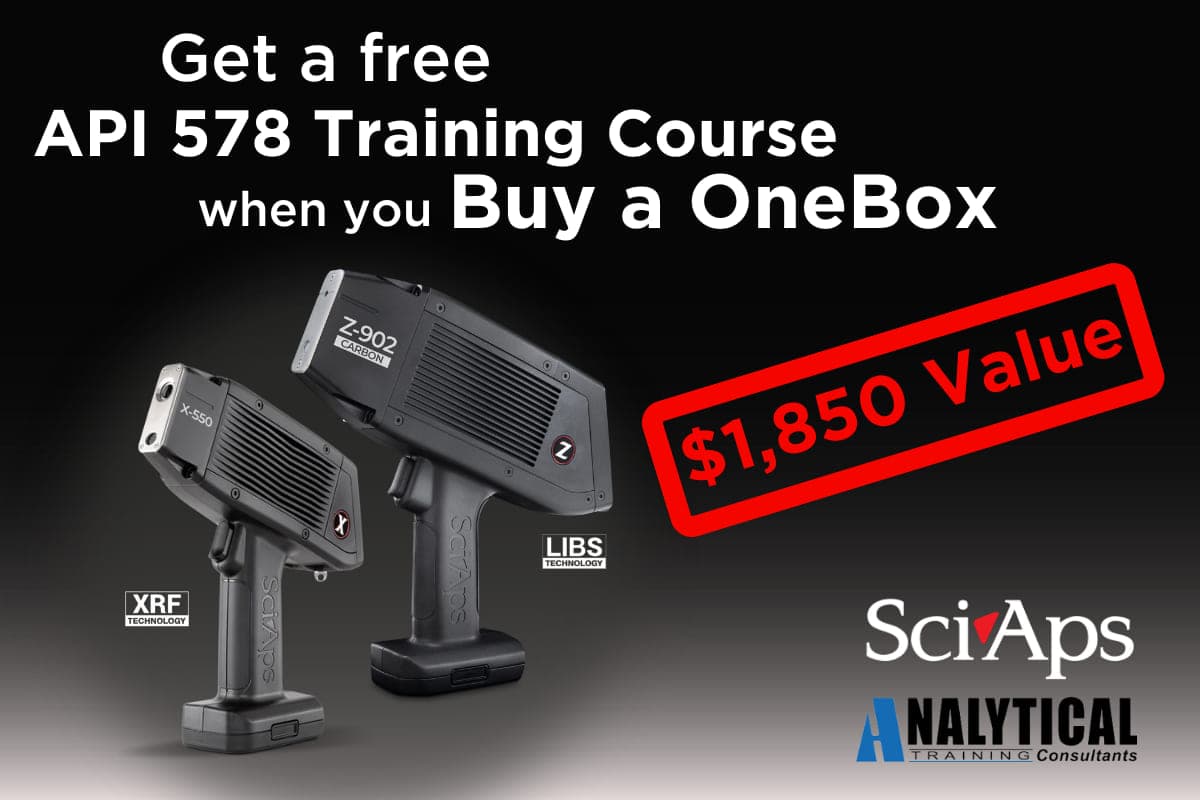
Special offer: Free API training with SciAps One Box
SPECIAL OFFER: Now, get a free API training with purchase of SciAps One Box for PMI – identify every alloy you’ll ever need for your program or clients, and get a free training on us. Reach out today! Analytical Training Consultants is a preferred trainer for the American Petroleum Institute. As an added bonus, ATC uses SciAps instruments in their program. Get hands-on training and experience with the analyzers that the experts trust.
Work with confidence
When accidents happen, we want our customers to get back to work as soon as possible. SciAps analyzers are so durable, they've even finished a job when they've been dropped or smashed.
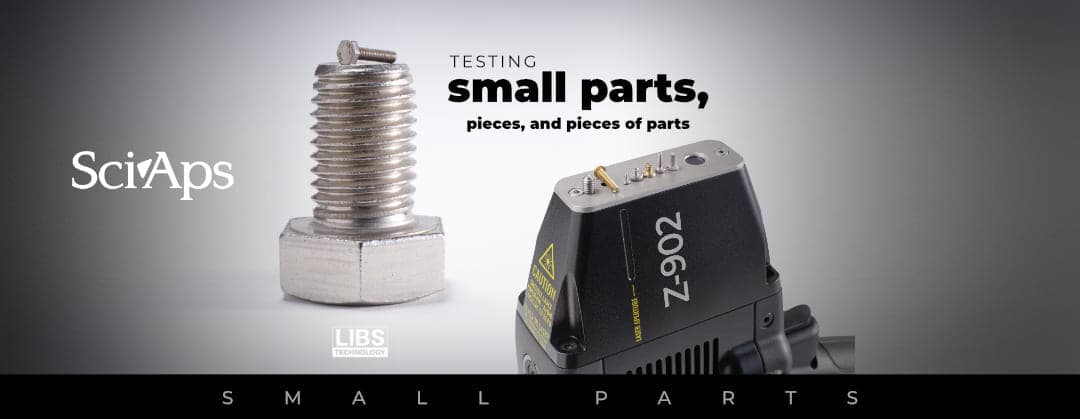
Analyze and grade carbon in small parts on-site with handheld LIBS
A comprehensive material verification program includes testing weld wire, round bar, small bore pipe, and bolting. SciAps LIBS analyzers are designed to optimize access to such parts, providing a comprehensive, on-site solution for QA programs.
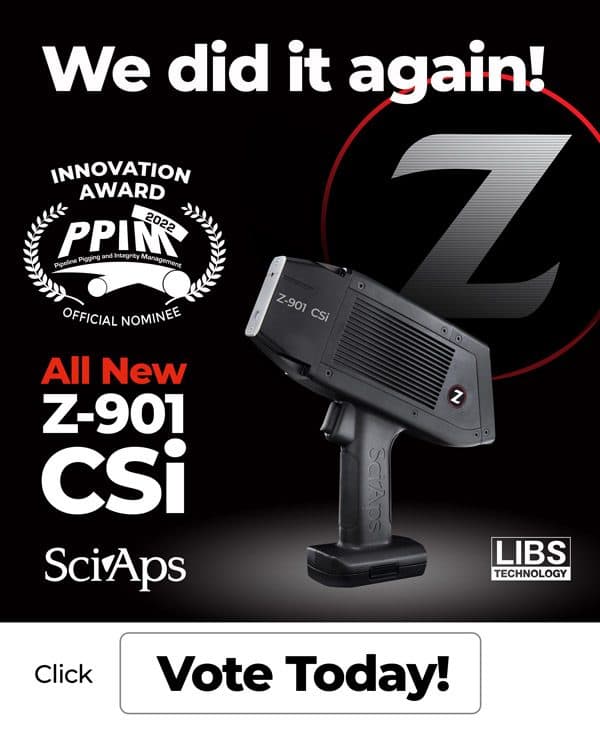
SciAps hLIBS is top five finalist for PPIM Innovation Award
Why did PPIM name SciAps LIBS a finalist for Innovation of the Year? Learn more about SciAps Z Series LIBS
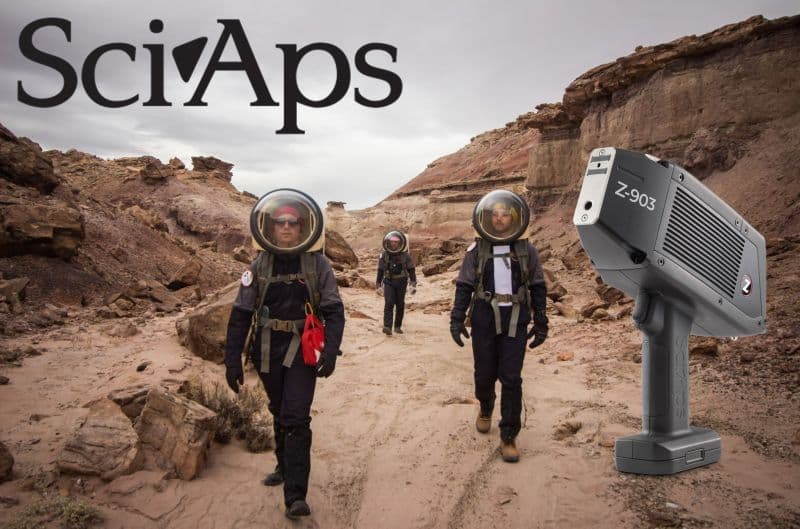
SciAps Z-903 LIBS in Mars simulation
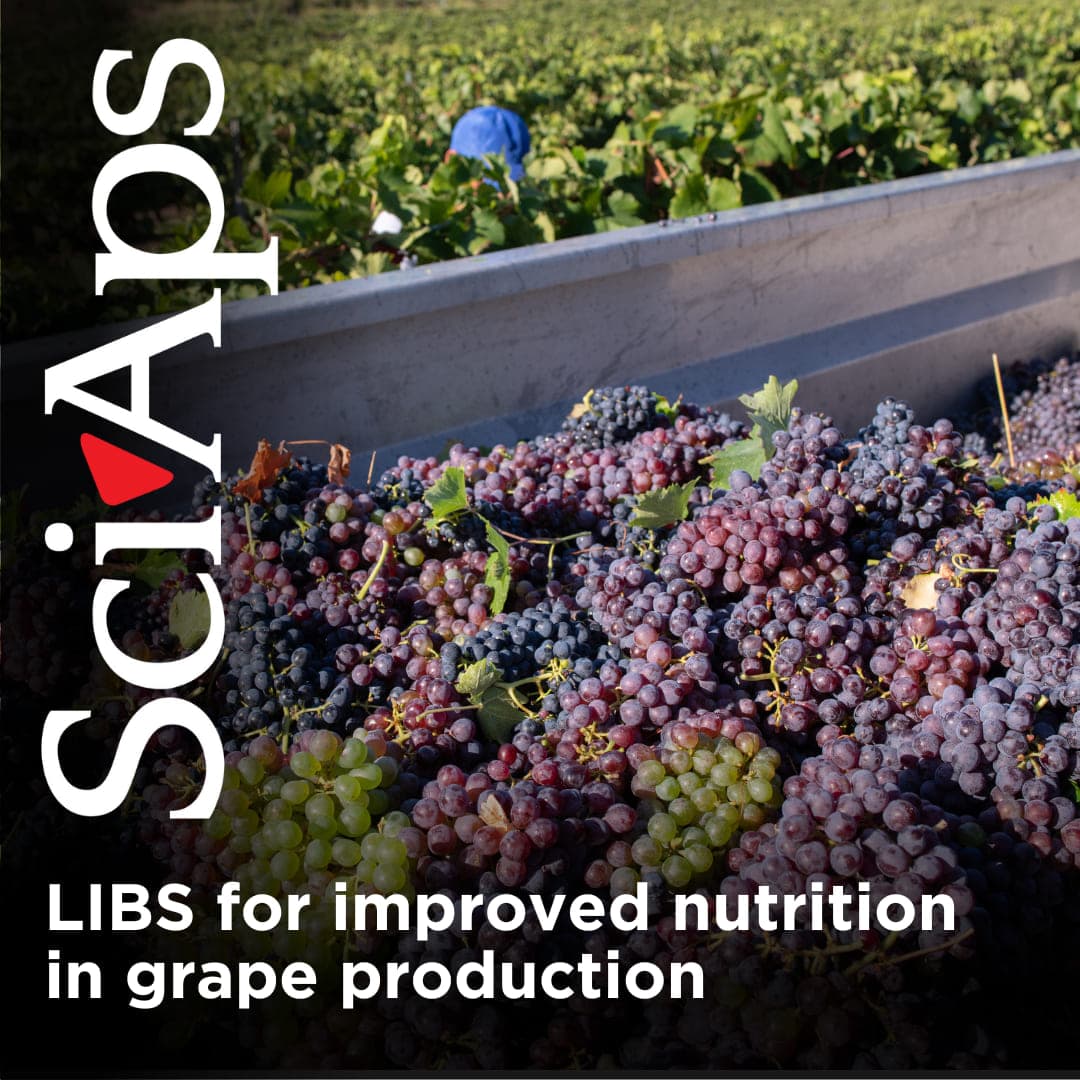
Finding a LIBS method for improved plant nutrition in grape production
One big, happy scrap family
You'll never be lost in the desert with SciAps
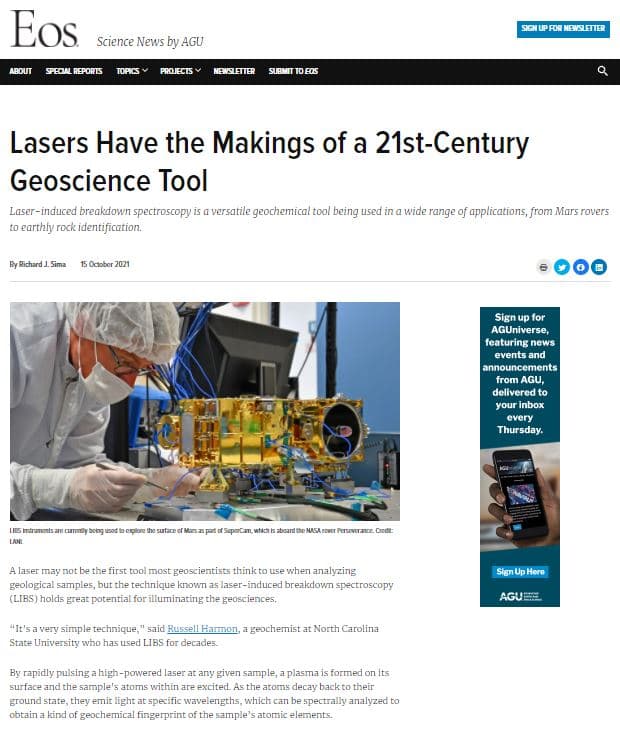
LIBS targeted for 21st-century geoscience
Lewis Owen of North Carolina State University is using the SciAps Z-300 handheld LIBS instrument to analyze rock varnish on granite boulders in the Alabama Hills of east central California. Credit: Harmon and Senesi, 2021.[/caption]In a recent AGU article, Richard Sima discusses the potential of LIBS for illuminating the geosciences. From the three instruments on the Mars rovers to the handheld LIBS used for fieldwork on Earth, Sima discusses the benefits and limitations of the versatile instrument.
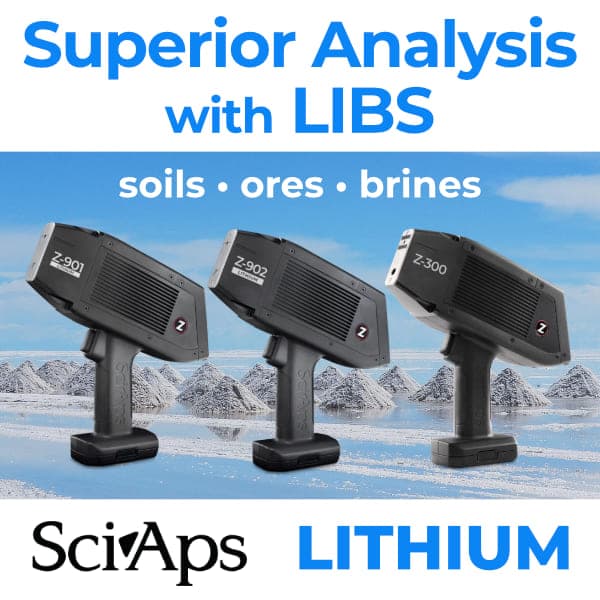
In-field analysis of lithium
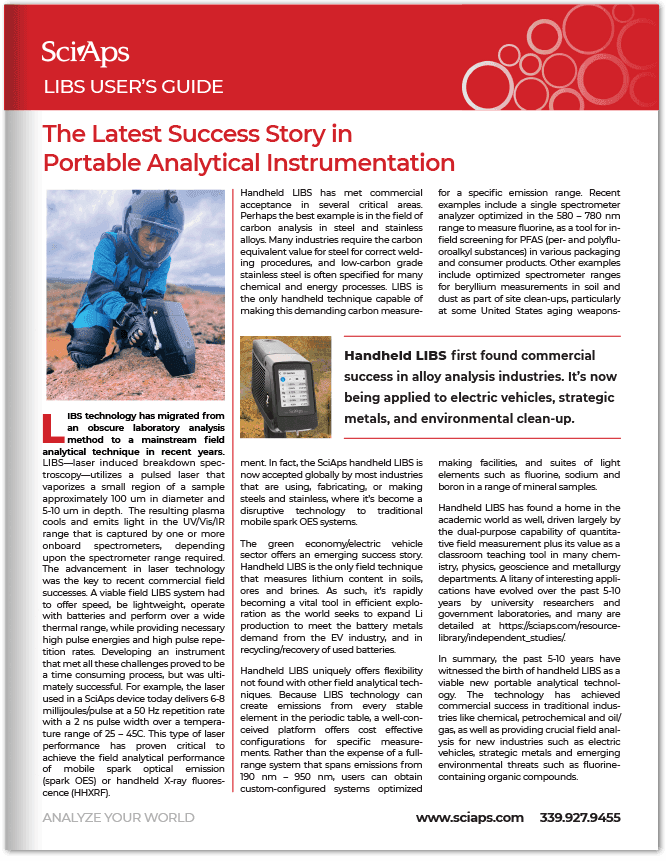
Handheld LIBS – The latest success story in portable analytical instrumentation
LIBS technology has migrated from an obscure laboratory analysis method to a mainstream field analytical technique in recent years. Read "Handheld LIBS – The latest success story in portable analytical instrumentation" by Don Sackett, SciAps CEO, in the recent edition of Spectroscopy magazine.
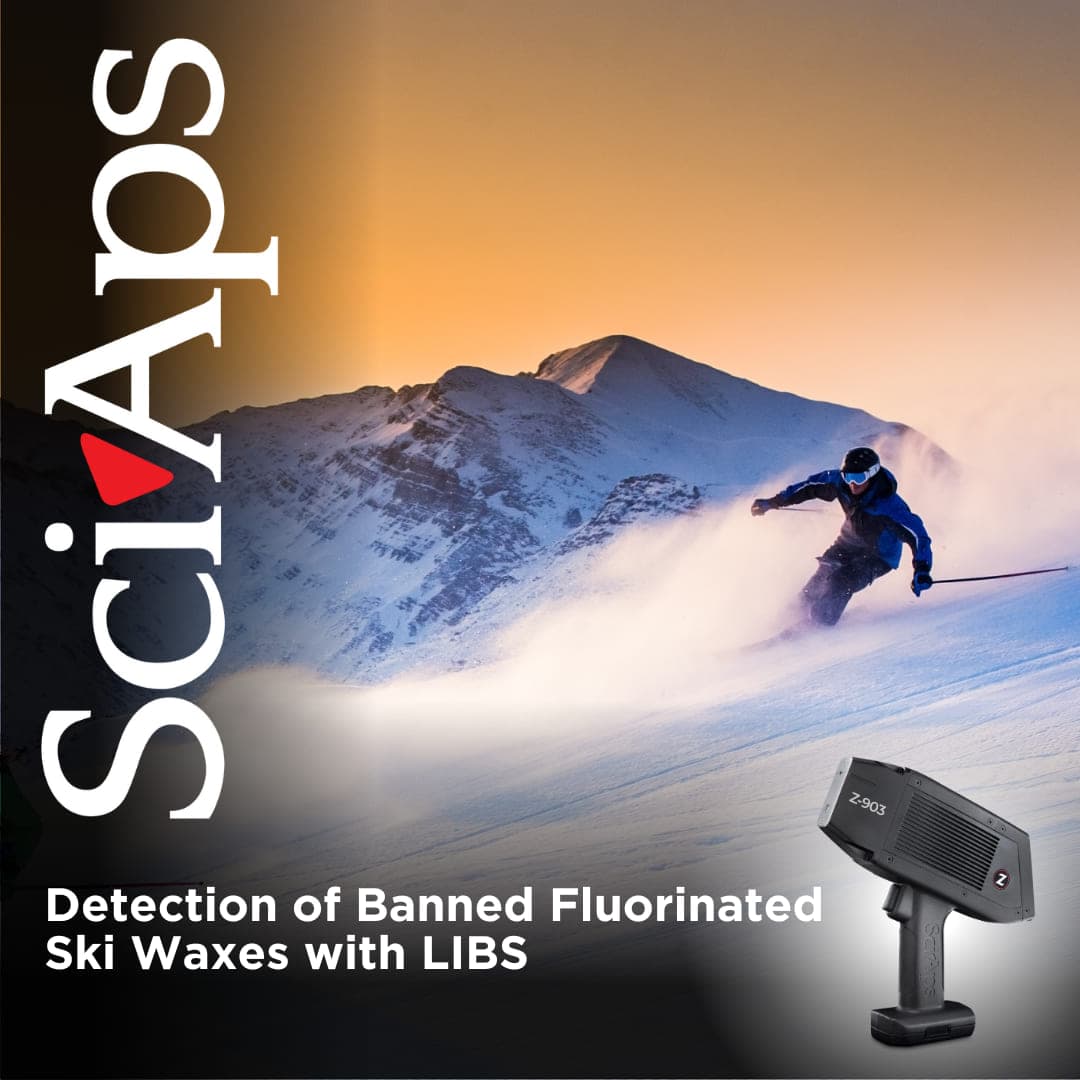
SciAps Instant Detection of Banned Fluorinated Ski Waxes with Handheld LIBS
Eight cross-country ski sections were evaluated in a blind study to determine if fluorine could be correctly identified.
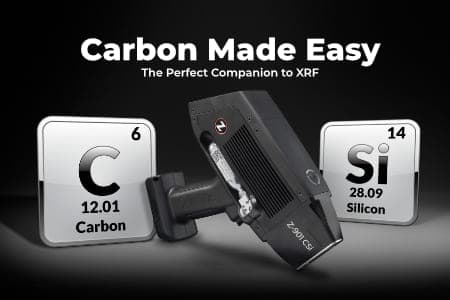
Why CSi? Carbon made easy for XRF users
Z-901 CSi, a dedicated carbon + silicon analyzer for low cost of entry. Until recently, portable testing required users to wear big backpacks with a cord and a probe as well as bring a bulky OES instrument with a huge argon tank into ditches or up towers to analyze their alloys. Companies were forced to buy an $80,000 instrument, more often than not, simply to measure the critical element carbon.
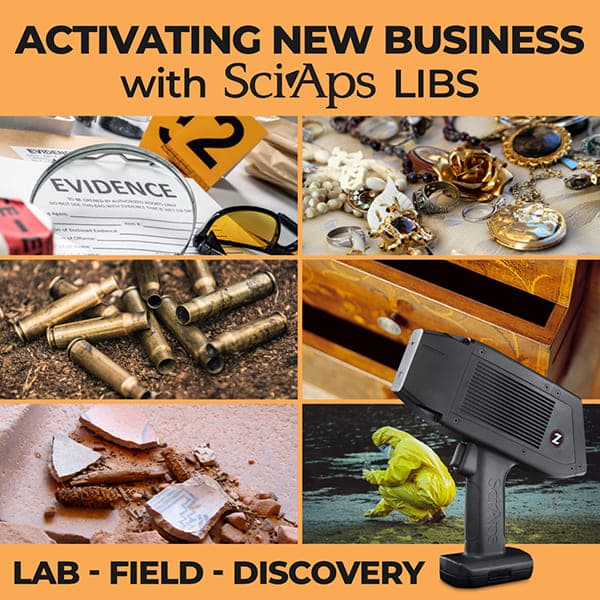
In-field chemistry everywhere with handheld LIBS
SciAps debuted the world’s first truly portable handheld only a few years ago, but Dr. Russell Harmon, a geochemist who has been working with laboratory LIBS for more than 20 years, says the real-time, rapid analysis capabilities of SciAps Z-series sets a new standard for chemical analysis in the field. His new mission is to spread the word. To find out how SciAps became the world's favorite handheld, read "Handheld LIBS—the latest success story in portable analytical instrumentation."
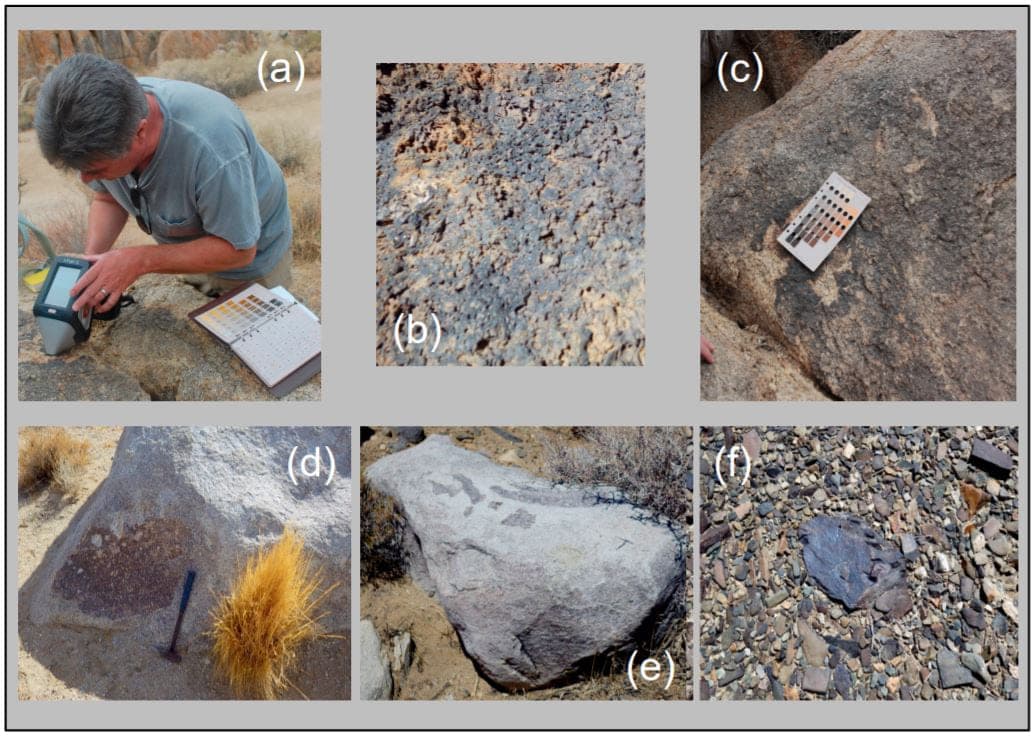
In-field analysis of rock varnish with SciAps LIBS
This study investigated the chemical composition of rock varnish using SciAps Z-300 handheld LIBS to determine LIBS utility for three applications: elemental detection and identification, micro-chemical mapping, and subsurface compositional profiling. In situ LIBS analysis of rock varnish and visually similar coatings on granite outcrops and boulders across the Mojave Desert climatic region recognized the most abundant elements in rock varnish—Mn, Fe, Si, Al, Na, K, Mg, Ca and Ba, along with the primary spectral lines for H, Li, Ti, V, Sr and Rb.
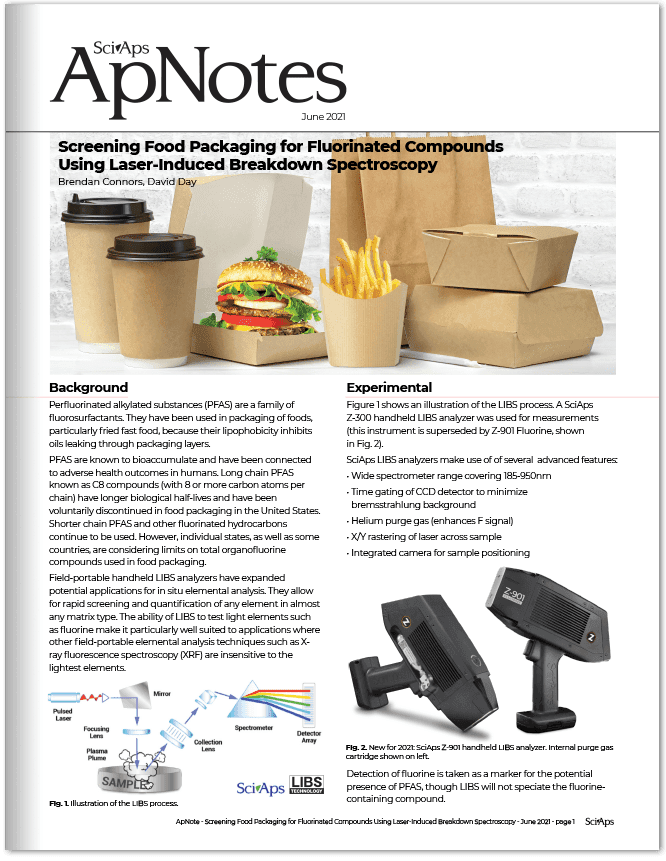
SciAps LIBS test method for fluorine in food packaging
Brendan Connors, SciAps senior scientist, has used the handheld LIBS to analyze the presence of fluorine as a marker for the potential presence of PFAS in popular food packaging, including burgers, chips and popcorn.