
Real-World AnalysisReal-World Stories
Explore insights, applications, and stories from the field using handheld XRF, LIBS, VisNIR, and portable benchtop analyzers across scrap recycling, mining, geochemistry, forensics, and more.
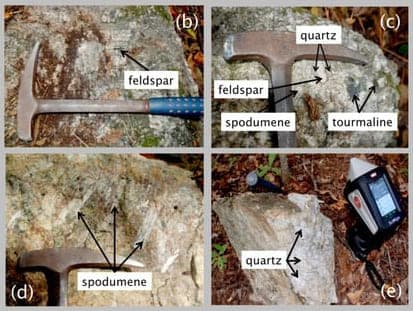
Handheld LIBS for Lithium Exploration: An Example from the Carolina Tin-Spodumene Belt, USA
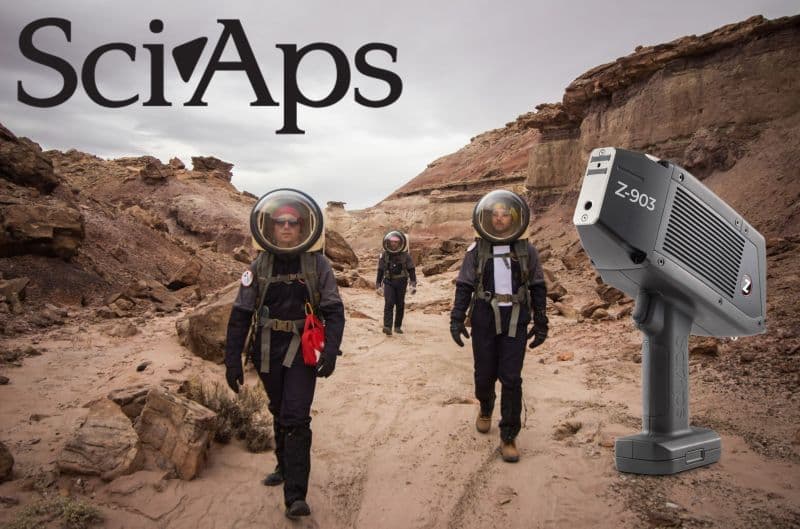
SciAps Z-903 LIBS in Mars simulation
Finding a LIBS method for improved plant nutrition in grape production
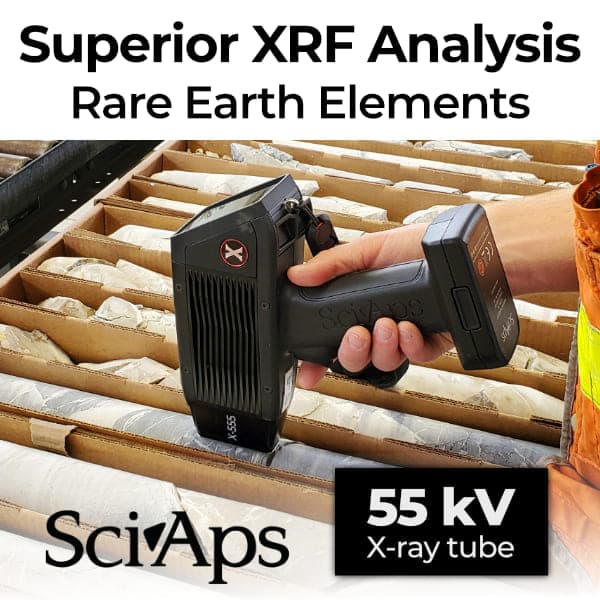
SciAps to revolutionize in-field analysis of lithium and rare earth elements
SciAps new family of handheld LIBS and XRF are built for exploration, production and recycling of lithium and REEs for the electric vehicle and strategic metals markets.
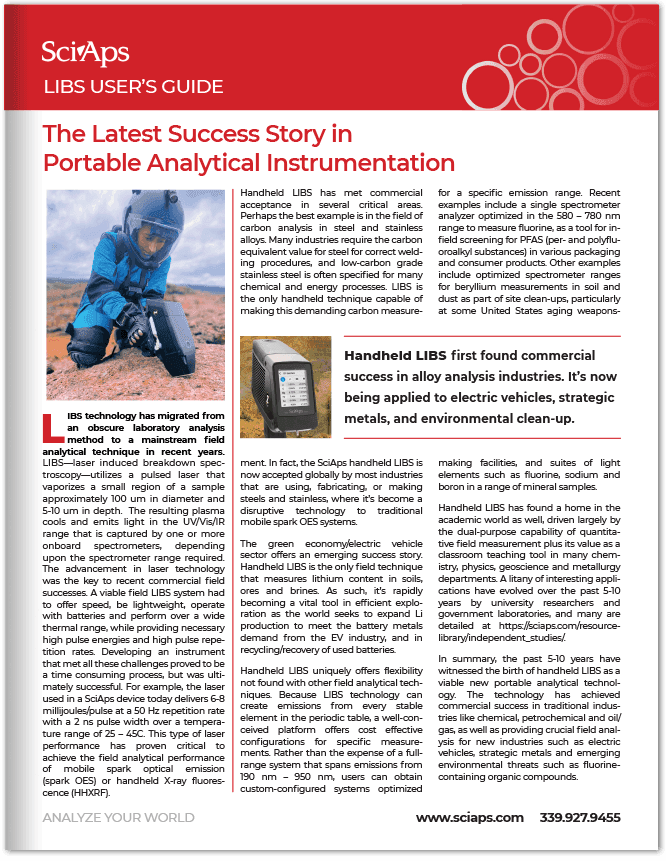
Handheld LIBS – The latest success story in portable analytical instrumentation
LIBS technology has migrated from an obscure laboratory analysis method to a mainstream field analytical technique in recent years. Read "Handheld LIBS – The latest success story in portable analytical instrumentation" by Don Sackett, SciAps CEO, in the recent edition of Spectroscopy magazine.
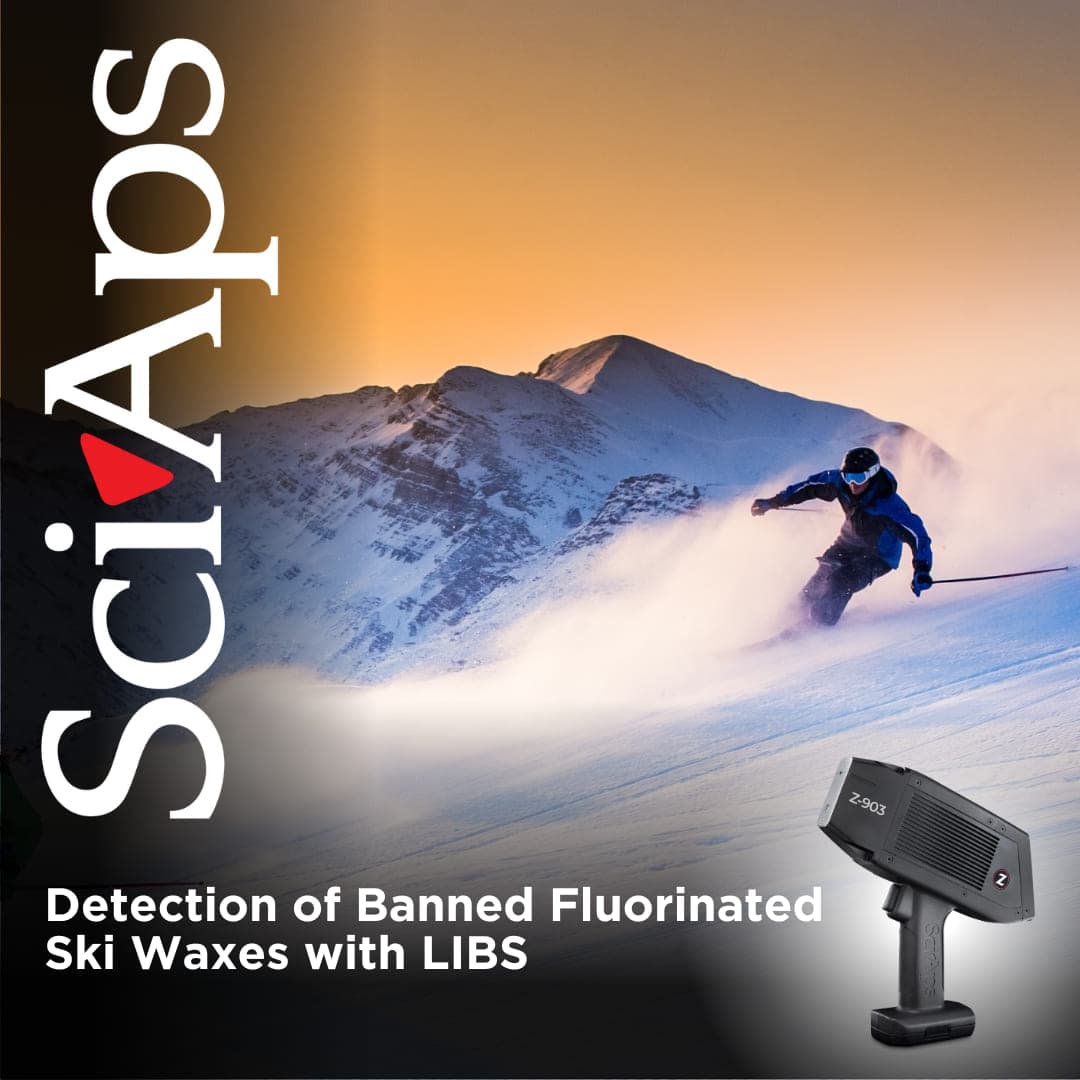
SciAps Instant Detection of Banned Fluorinated Ski Waxes with Handheld LIBS
Eight cross-country ski sections were evaluated in a blind study to determine if fluorine could be correctly identified.
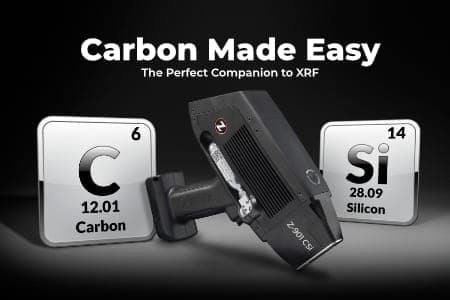
Why CSi? Carbon made easy for XRF users
Z-901 CSi, a dedicated carbon + silicon analyzer for low cost of entry. Until recently, portable testing required users to wear big backpacks with a cord and a probe as well as bring a bulky OES instrument with a huge argon tank into ditches or up towers to analyze their alloys. Companies were forced to buy an $80,000 instrument, more often than not, simply to measure the critical element carbon.
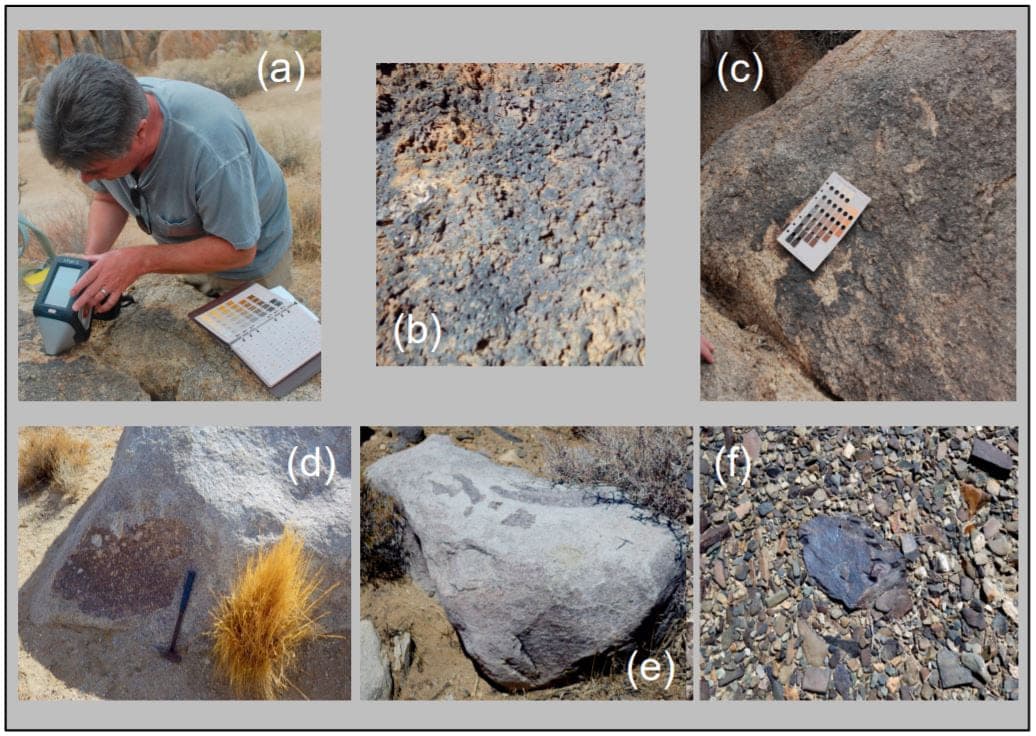
In-field analysis of rock varnish with SciAps LIBS
This study investigated the chemical composition of rock varnish using SciAps Z-300 handheld LIBS to determine LIBS utility for three applications: elemental detection and identification, micro-chemical mapping, and subsurface compositional profiling. In situ LIBS analysis of rock varnish and visually similar coatings on granite outcrops and boulders across the Mojave Desert climatic region recognized the most abundant elements in rock varnish—Mn, Fe, Si, Al, Na, K, Mg, Ca and Ba, along with the primary spectral lines for H, Li, Ti, V, Sr and Rb.
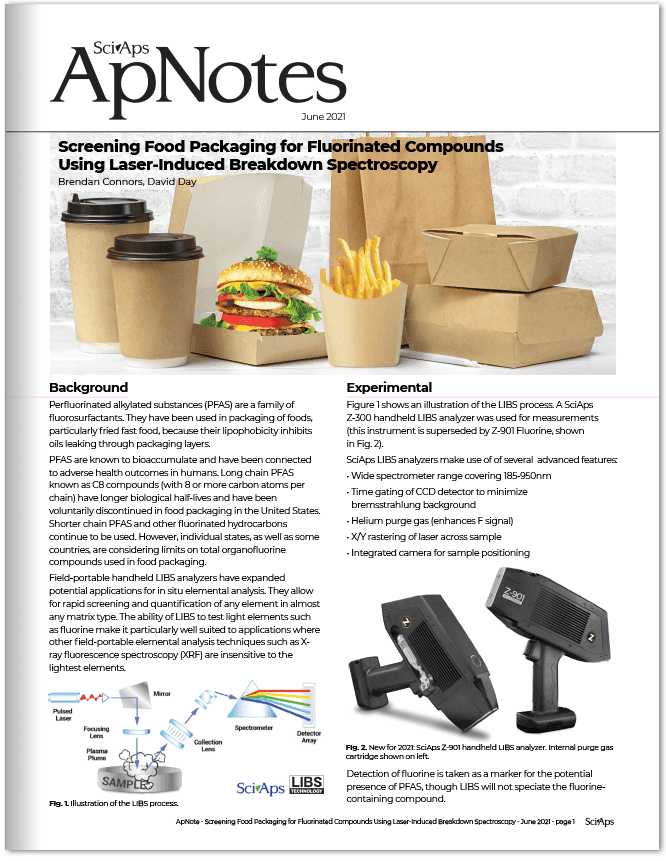
SciAps LIBS test method for fluorine in food packaging
Brendan Connors, SciAps senior scientist, has used the handheld LIBS to analyze the presence of fluorine as a marker for the potential presence of PFAS in popular food packaging, including burgers, chips and popcorn.
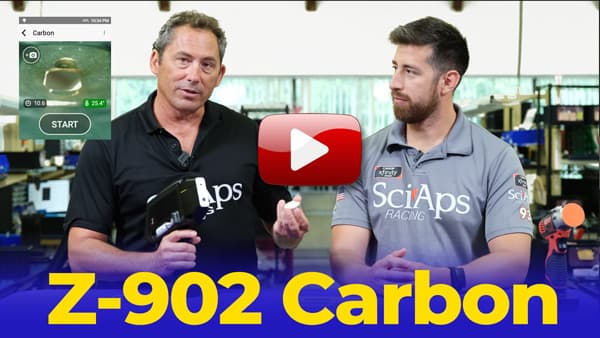
Z-902 Carbon Introduction Video
Debut of Z-902 Carbon LIBS Carbon in Stainless - Standard, L-grade, H-grade. Introducing the new SciAps Z 902 Carbon LIBS Specifically designed for the needs of PMI and NDT applications.
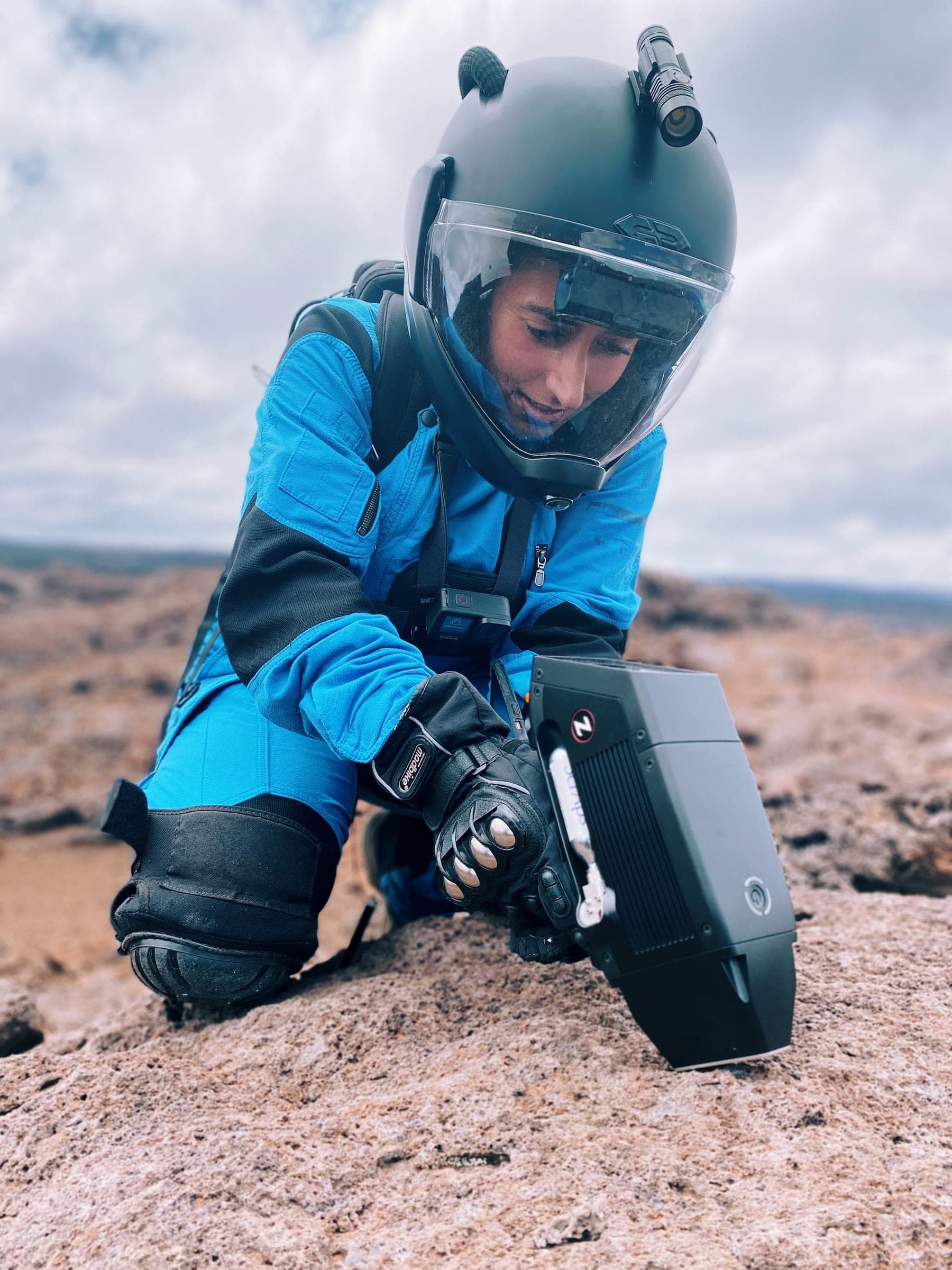
SciAps LIBS helps scientists prepare for Mars
SciAps Z-903 LIBS analyzer joins Hawai‘i Space Exploration Analog and Simulation with scientist Sarafina Nance on their Mars simulation mission August 13-27, 2021. For updates on the mission in real time, follow @HI-SEAS on Twitter.
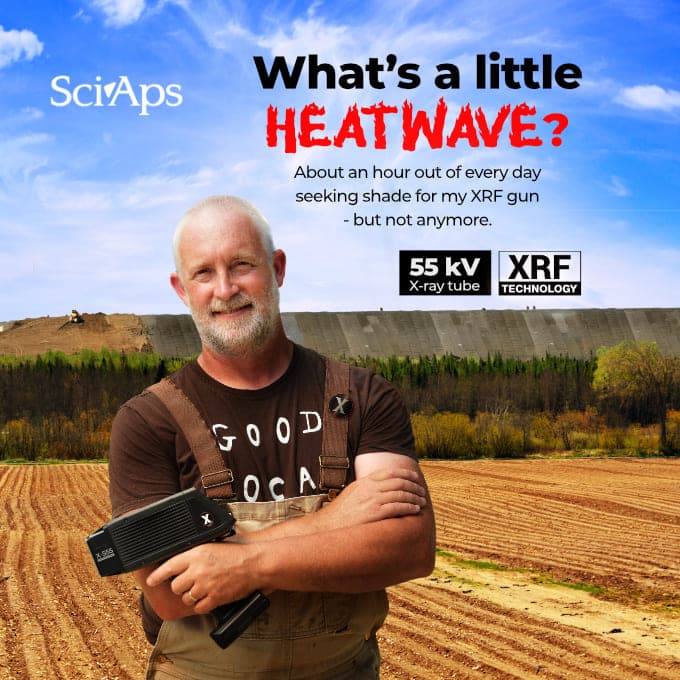
What's a little heatwave?
The SciAps X-555 Environmental analyzer is designed to work in tough conditions, even hot days in the sun. When the competition’s XRF analyzer is in the sun for hours, it gets too hot for accuracy. Then you’re looking for shade to cool it down. Not the case with SciAps X-555. You can work out in the sun all day long, and it never needs a break. The X-555 features the industry’s only 55 kV X-ray tube for best limits of detection on Cd, Ba, Sb, Sn, Ag and rare earth metals.
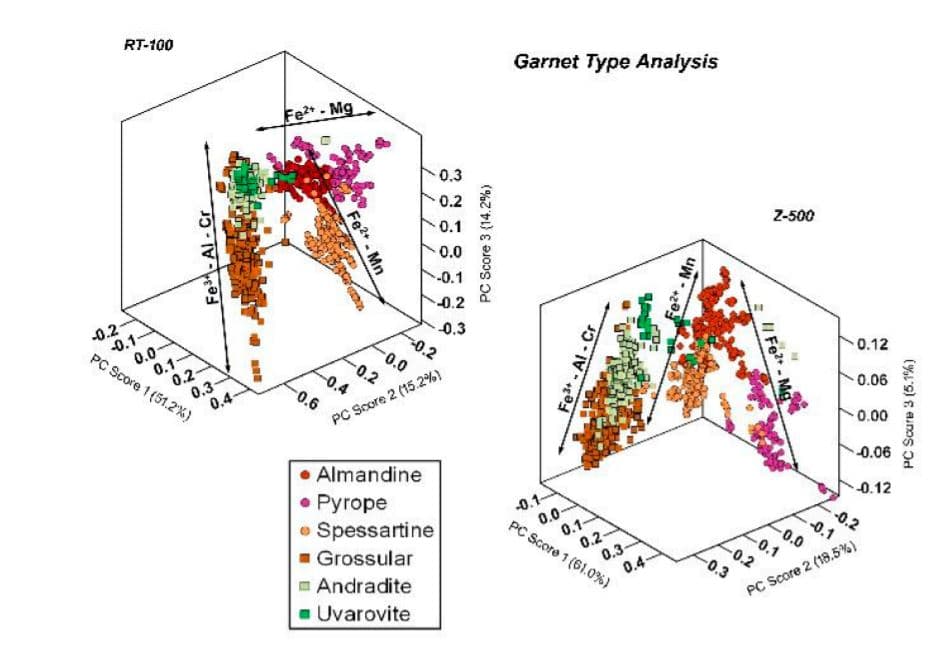
Analysis of garnet by LIBS — two practical applications
This study evaluated two practical applications of handheld LIBS using SciAps Z-300—validation of labels assigned to garnets in museum collections, and discrimination of LCT (lithium-cesium-tantalum) and NYF (niobium, yttrium and fluorine) pegmatites based on garnet geochemical fingerprinting—both of which could be implemented on site in a museum or field setting with a handheld LIBS analyzer.
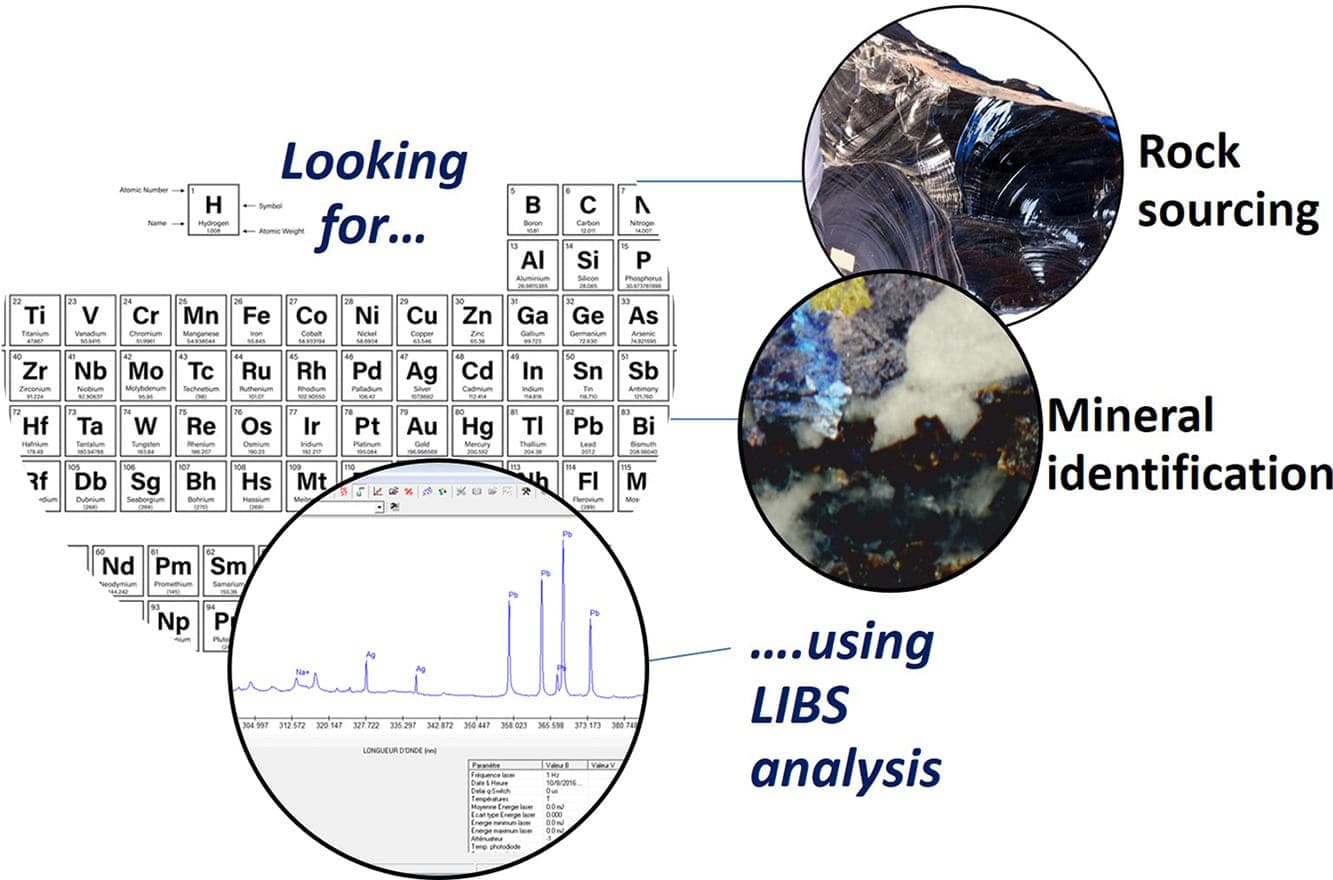
Advances in LIBS analysis for geology: A critical review
LIBS gives access to the most relevant elements; discrimination and sourcing of rocks or gems can be easily obtained; light elements are well detected at low level, and quantified in rocks; elemental LIBS mapping for strategic elements is of first interest.
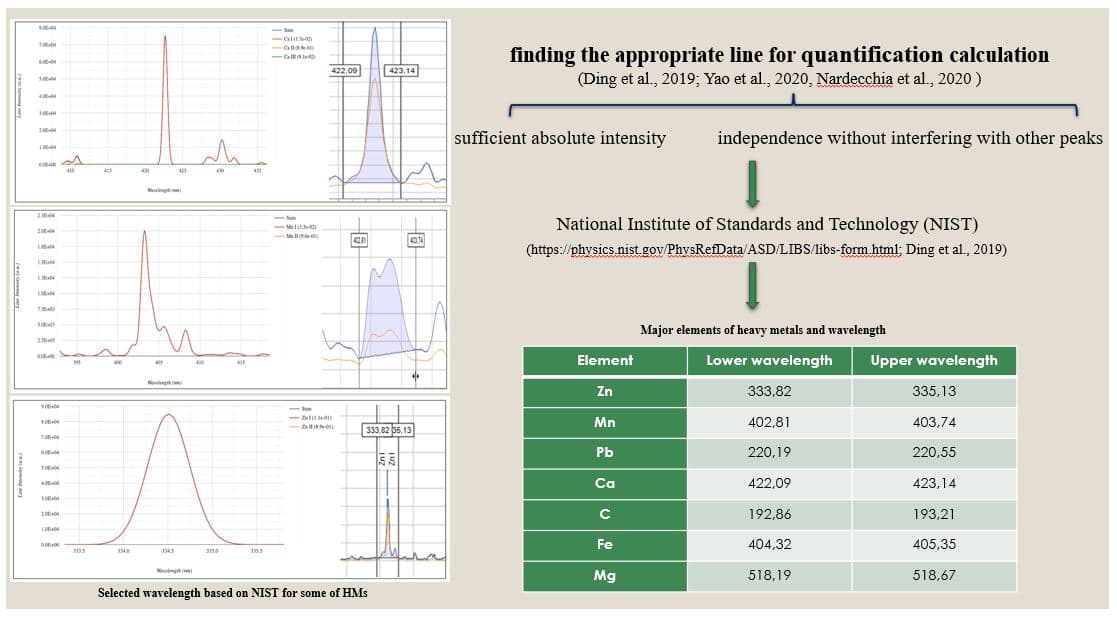
Investigation of handheld LIBS in terms of heavy metal detection in contaminated soil
SciAps LIBS was used to perform heavy metals analysis in contaminated soil. Handheld LIBS simplifies the necessary qualitative and quantitative analysis and is faster than other conventional techniques.
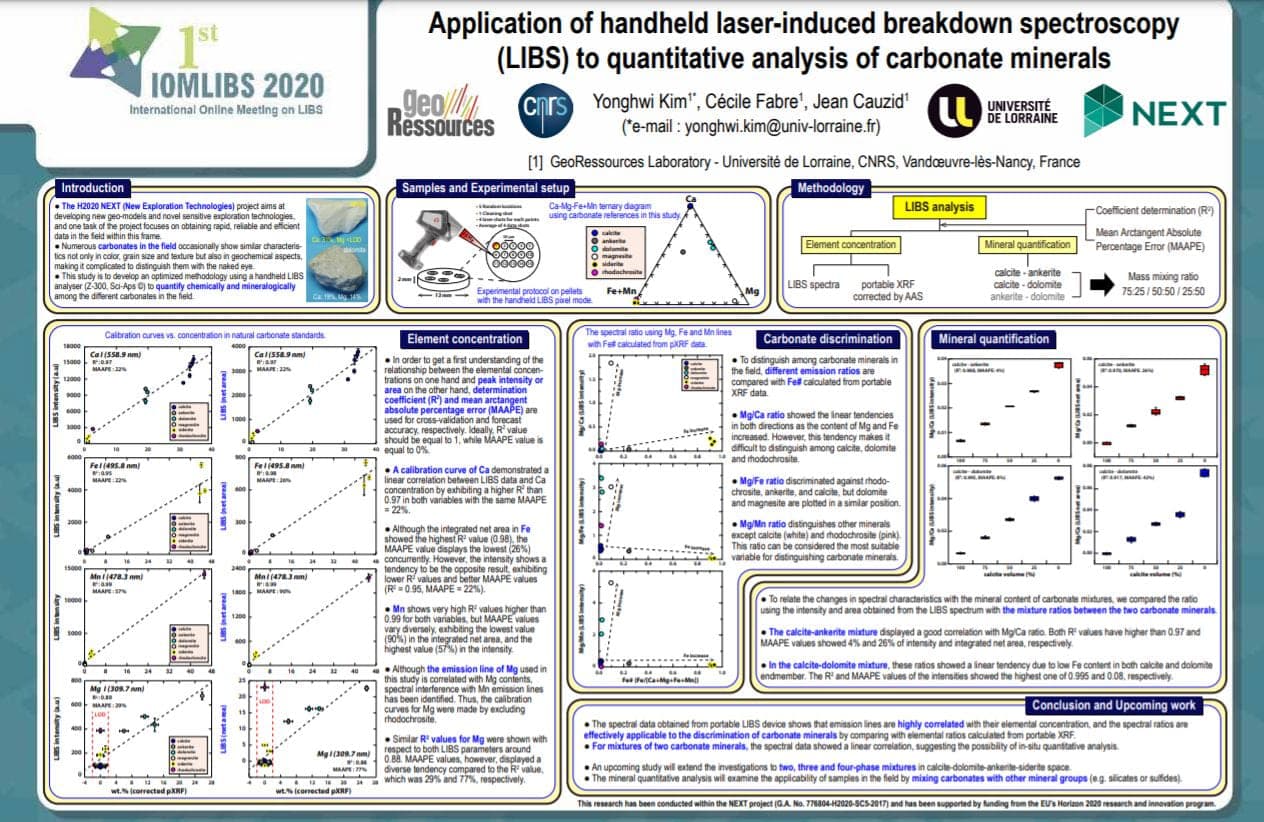
Application of Handheld LIBS to Quantitative Analysis of Carbonate Minerals
Handheld LIBS is effectively applicable for in-field determination of carbonates and quantifying carbonate mixtures. The study achieved accurate results with limited sample pre-treatment and faster analyses than other conventional techniques.