Real-World AnalysisReal-World Stories
Explore insights, applications, and stories from the field using handheld XRF, LIBS, VisNIR, and portable benchtop analyzers across scrap recycling, mining, geochemistry, forensics, and more.
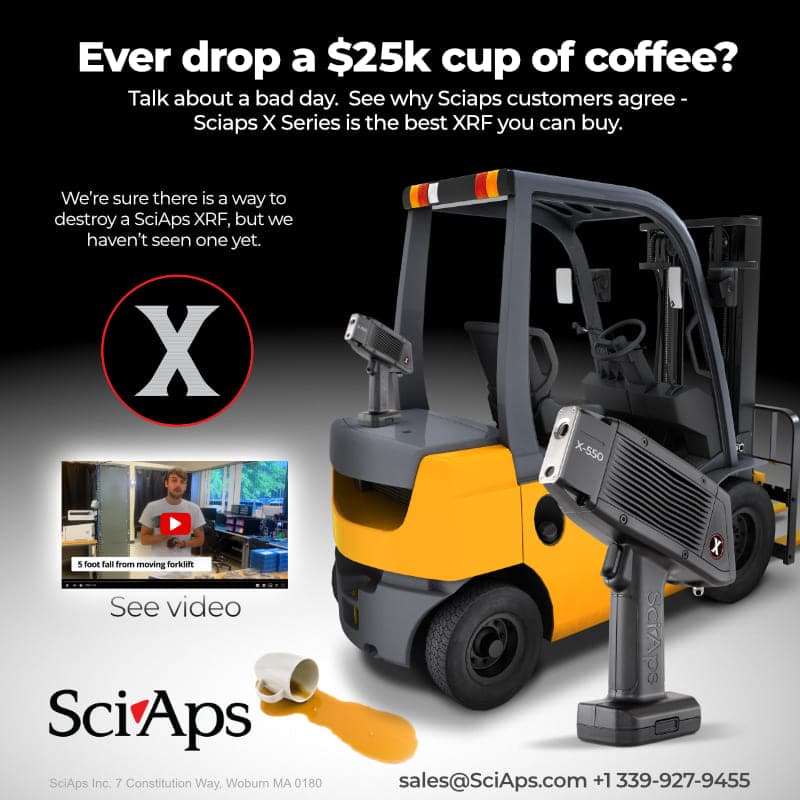
X-505 drops 5 feet from forklift - still works!
Work with confidence. With SciAps, you get a durable analyzer that passes drop tests with ease and can be repaired to good-as-new condition for a fraction of the cost.
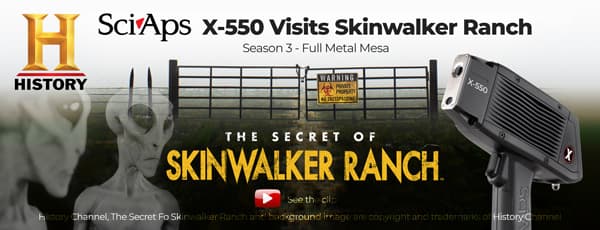
Sciaps visits The Secret of Skinwalker Ranch
A few months back, Dave Day received a phone call about a mystery happening in a remote part of Utah. As SciAps chief technology officer, he’s a curious guy, so he couldn’t pass up the opportunity of being part of a UFO investigation. Dave got on a plane, bringing the industry-leading X-550 handheld XRF with him so that the investigative team could analyze several mysterious pieces of material found there.

Industry Driven: Heavy metals in NJ soils
Recently, Dr. Ashaki Rouff, an associate professor, and Suah Yekeh, a second year Ph.D. student, in the Department of Earth & Environmental Sciences at Rutgers University, Newark investigated the soil in seven city parks for the presence of contaminants, including heavy metals, using SciAps X-200 XRF. What they learned will have them coming back this summer doubly equipped, using their newly purchased SciAps X-505 XRF and Z-903 LIBS analyzers.
You'll never be lost in the desert with SciAps
LIBS for museum collections: Q & A with Russell Harmon
In an effort to dig into the significance of the study, Dr. Harmon filled us in on the past, present, and future work with garnets, and the importance of SciAps handheld LIBS to geochemical fingerprinting and museum collections in general. Harmon is adjunct associate professor, Department of Marine, Earth, & Atmospheric Sciences, North Carolina State University.
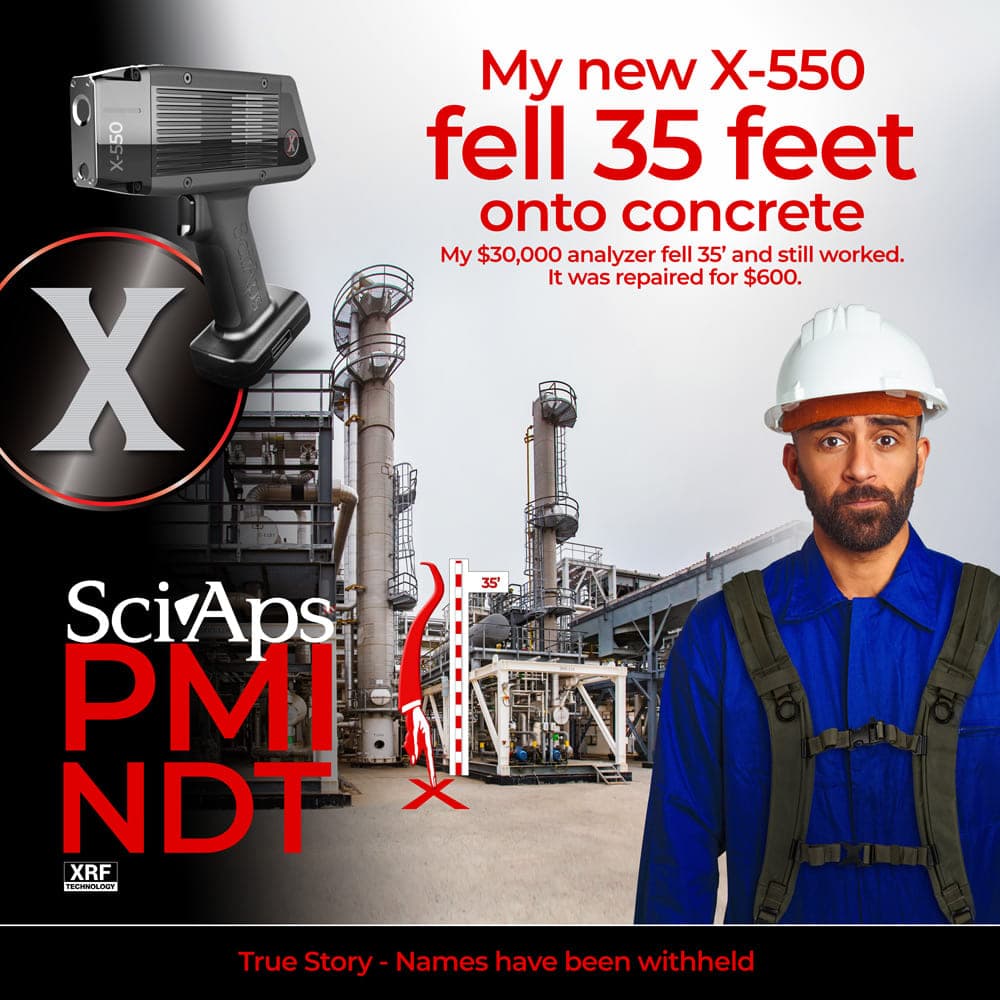
X-550 falls 35 feet - and still testing!
XRF analyzer falls from 35-foot tower and still works!
American biotech uses SciAps X-505 in the fight against Covid-19
Allied BioScience turned to SciAps when they needed the right handheld XRF analyzer to verify the quality of SurfaceWise2.
Tube-end alloy analysis with HH LIBS
When James Terrell of SciAps arrived at a customer location to train the team on how to use LIBS for testing Low Re material, no one was expecting that the day would produce a groundbreaking solution using SciAps Z-200 C+.
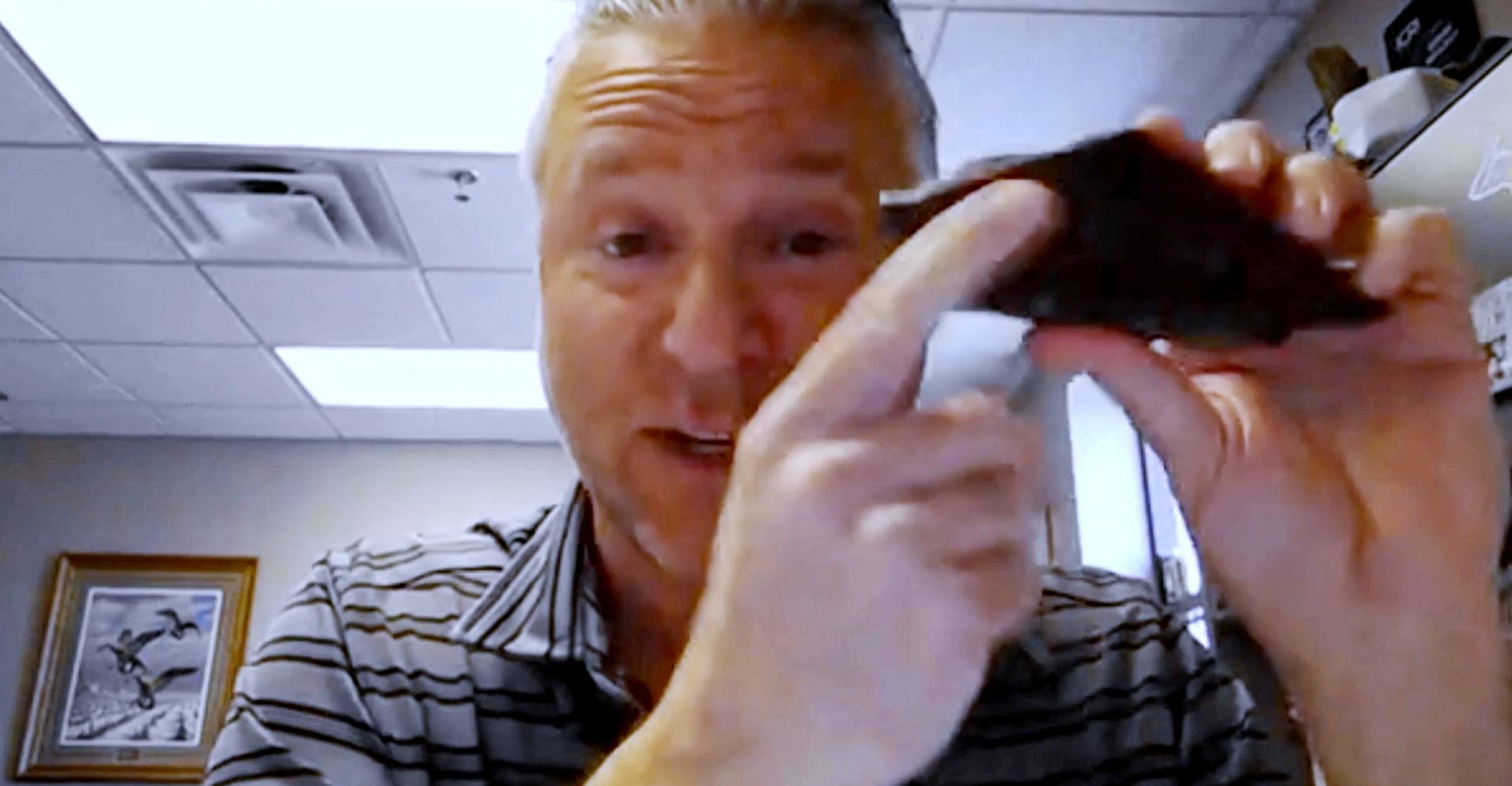
SciAps LIBS for Petrography with Gerard Moulzolf
Moulzolf, who grew up with geology as the son of a taconite miner, was lucky enough to get involved with American Engineering Testing just as they were putting together a world-class laboratory for petrography. One of the tools Moulzolf added to the laboratory was the SciAps Z-300 LIBS handheld elemental analyzer.
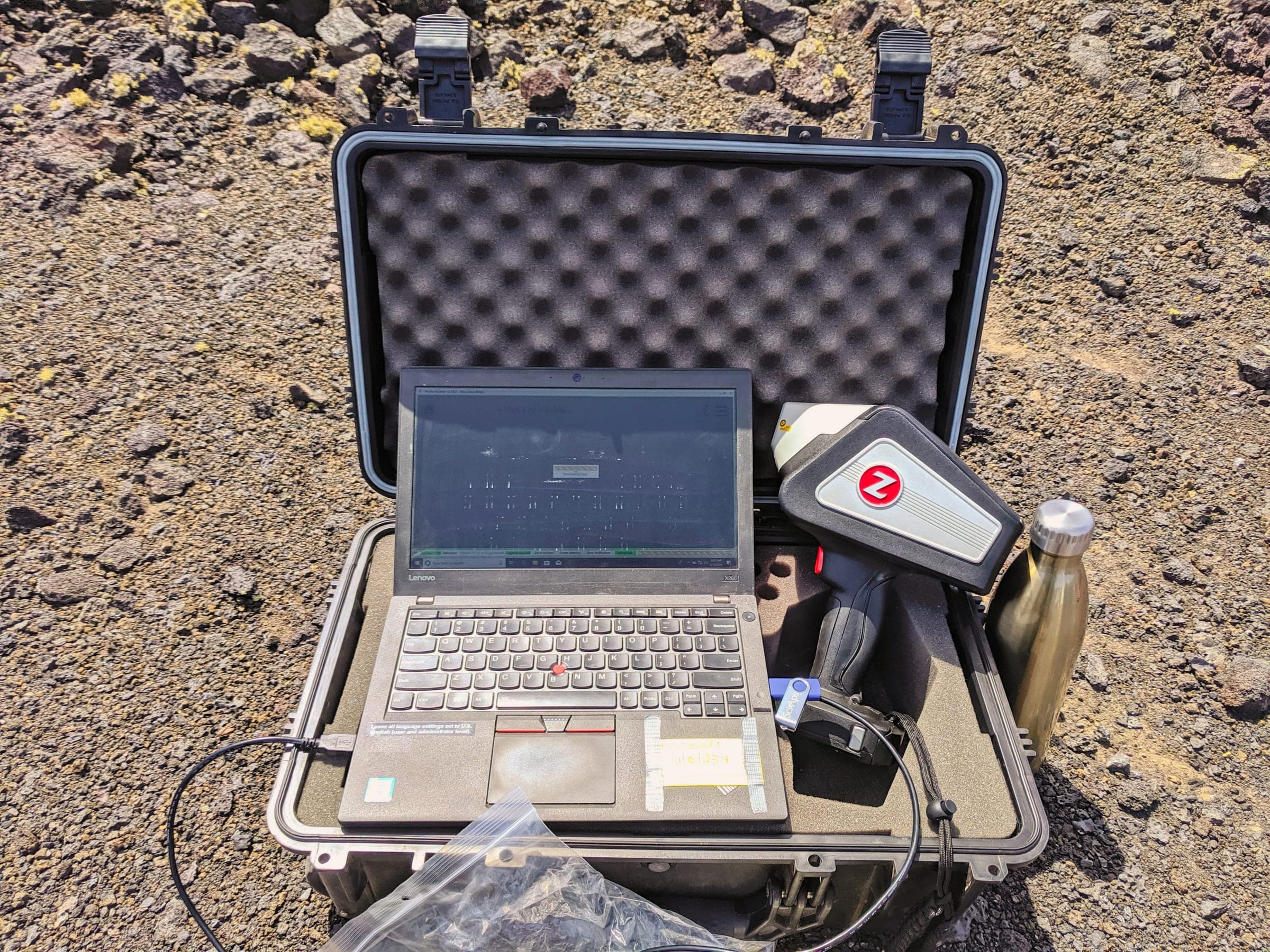
NASA relies on the science of SciAps Z
Preparing to explore the surface of the moon requires the best available science. In their training, NASA astronauts use the SciAps LIBS handheld analyzer in unique areas on Earth to simulate the geology they may find on the moon. They spend countless hours in practice in volcanic landscapes and other places that are analogous to the lunar surface to train them on the scale and fidelity of science. Watch the 2020 NASA video to see the SciAps Z in action.
L-grade stainless verification on small parts? No problem
The SciAps LIBS (laser) unit is especially designed for handling curved surfaces and small parts. The device uses a small exit aperture and a patented argon purge/bleed design so that a good purge is achieved but without requiring a seal to the material surface.
Industry Driven: LIBS lifetime basic training
One of the added benefits of buying SciAps LIBS analyzers is the lifetime basic operational training for as long as the company owns the LIBS. Carbon testing is significantly more difficult than the “point and shoot” simplicity of XRF.
SciAps True Demo Stories, Episode 8: Weld Inspection on Sydney Harbour Bridge
HH LIBS quantifies carbon & CE, faster & lighter compared to OES, and weather is not a problem.
SciAps True Demo Stories, Episode 7: Getting Into the Swing
In windy locations, the wind blows away the argon purge from spark OES, thus degrading the results. Our HH LIBS analyzer fires a pulsed laser at the material to create a plasma. With the combination of fast laser and reduced argon, wind is no problem.
SciAps True Demo Stories, Episode 6: Demos Down Under