
Real-World AnalysisReal-World Stories
Explore insights, applications, and stories from the field using handheld XRF, LIBS, VisNIR, and portable benchtop analyzers across scrap recycling, mining, geochemistry, forensics, and more.
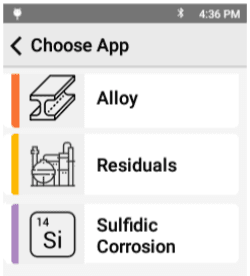
SciAps Can Meet Refinery Residual Requirements in Steel
The SciAps Z LIBS (laser) is the only handheld analyzer that can measure every element and meet all of the residual requirements for HF alkylation units in refineries. The SciAps Z is a handheld carbon analyzer capable of measuring the carbon content in carbon steels and alloy steels.
Industry Driven: LIBS lifetime basic training
One of the added benefits of buying SciAps LIBS analyzers is the lifetime basic operational training for as long as the company owns the LIBS. Carbon testing is significantly more difficult than the “point and shoot” simplicity of XRF.
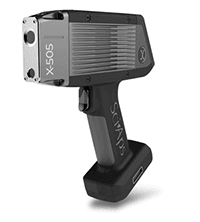
X-505 Handheld XRF: The Latest Breakthrough from SciAps
SciAps announces the release of the X-505—the second addition to its new product line featuring the smallest, lightest weight handheld X-ray analyzers made and addressing the specific needs of NDT/PMI, scrap, mining, environmental, and general analytical industries.
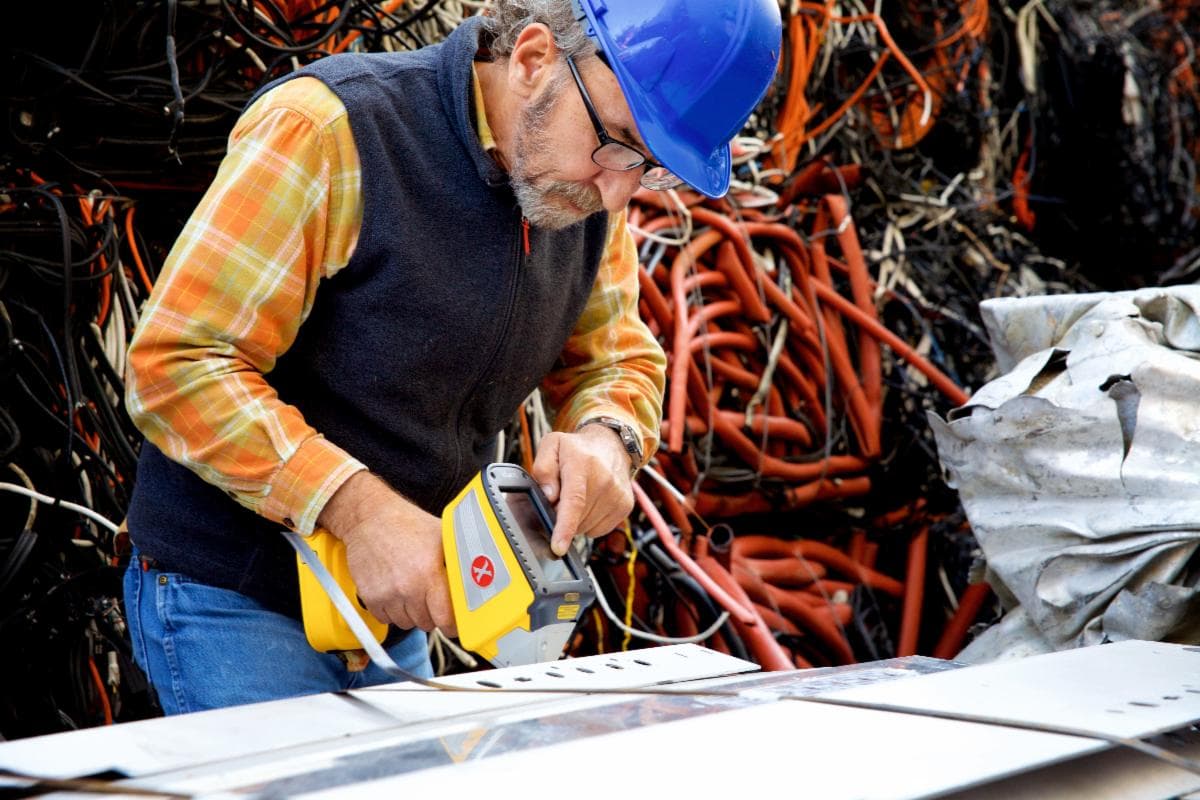
SciAps XRF and LIBS Serving Every Industry
Analyzers for every application in every industry.
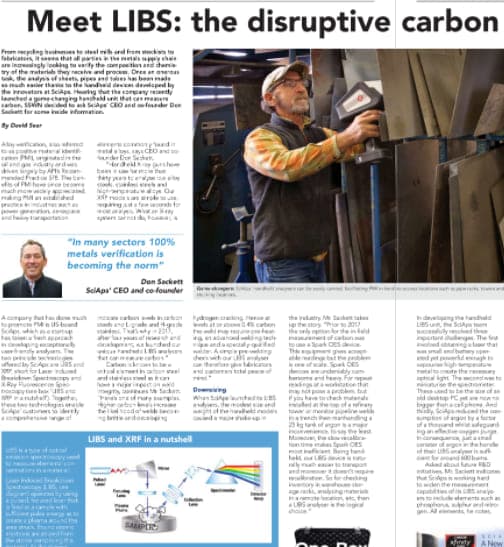
SciAps LIBS: A game-changer for handheld carbon analysis
David Sear reports that the SciAps team successfully resolved three important challenges. SciAps Z-200 C+ uses a battery operated laser that is small but powerful; a spectrometer that is small but accurate; and an on-board argon canister that is small but effective.
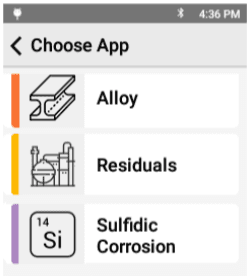
PMI Challenges? SciAps XRF Apps Are Ready To Go
Measure chemistry precisely with SciAps Apps. There's no fiddling with settings to get quality test results.
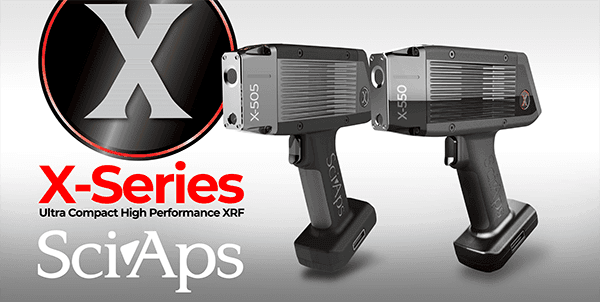
SciAps Debuts Next Generation XRF Gun
SciAps sets a new performance standard for handheld XRF. Weighing 2.8 lbs. (1.3 kg) with battery, the X-550 is the lightest, fastest, most articulate X-ray analyzer ever made.
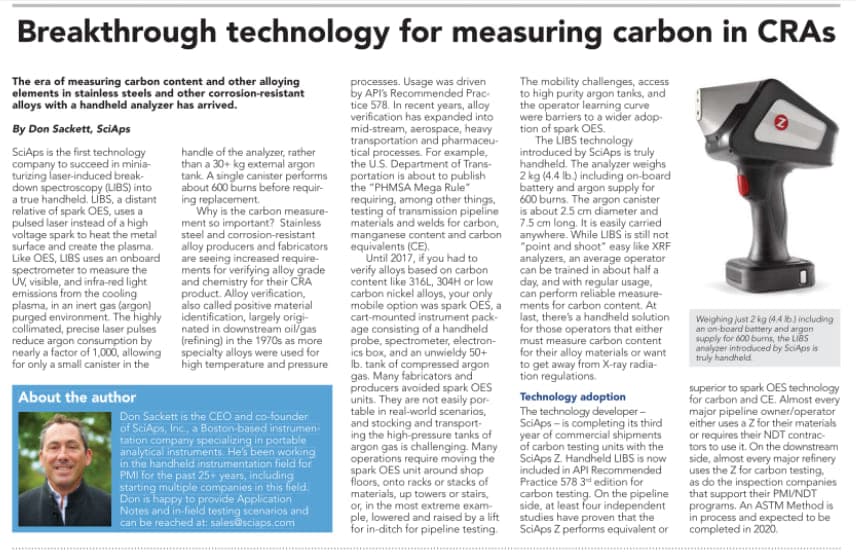
Measuring carbon in CRAs with a handheld analyzer
Measure carbon content and other alloying elements in stainless steels and other corrosion-resistant alloys (CRAs) with SciAps HH LIBS analyzers.
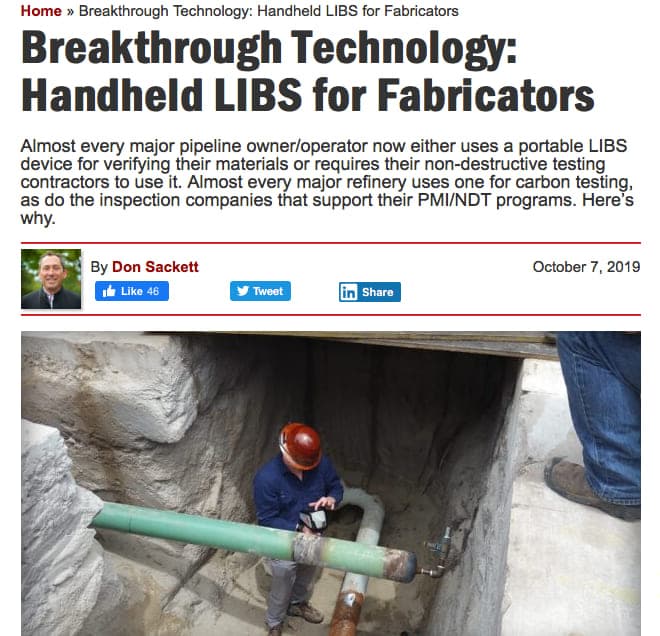
Handheld LIBS for NDT: Breakthrough Technology for Fabricators
Almost every major pipeline owner/operator now either uses handheld LIBS for NDT for verifying their materials or requires their non-destructive (NDT) testing contractors to use it. Almost every major refinery uses one for carbon testing, as do the inspection companies that support their PMI/NDT programs. Our guest blog in Fabricating and Metalworking explains why.
LIBS Tests
New Handheld for Carbon, CE in Steels and Carbon in L-grade Stainless. Measure Carbon as Part of Residuals in HF Alkylation Units
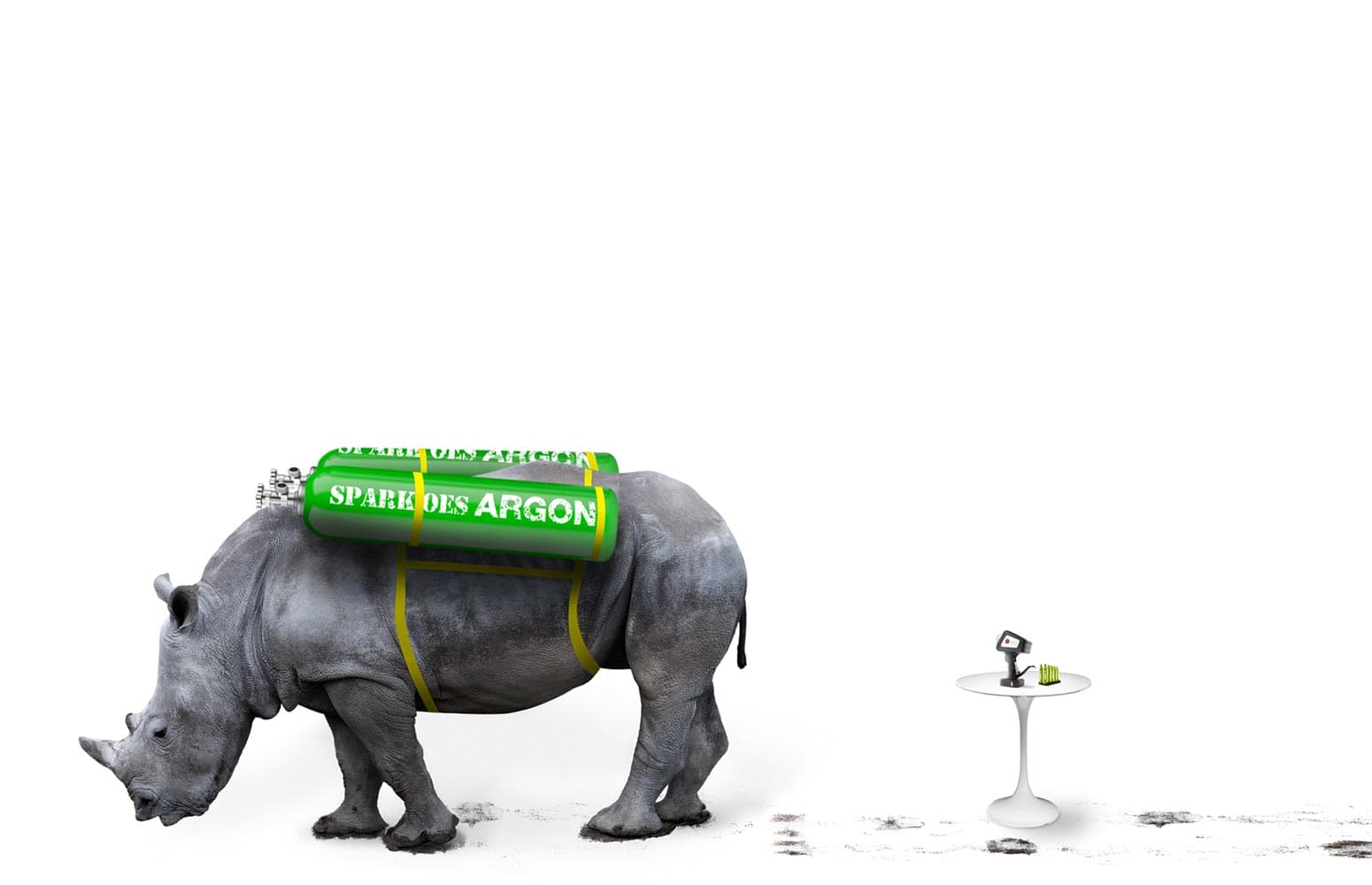
LIBS STORY
Operators previously either used spark OES technology or hired a third-party testing company to bring the OES with them. Now you can measure carbon in steels with a handheld analyzer.
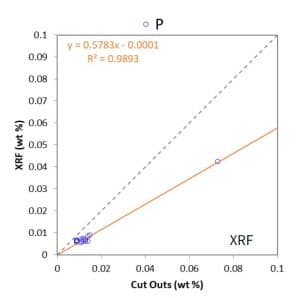
Pipeline industry study shows handheld SciAps LIBS can beat spark OES for carbon and CE
The gas pipeline industry and a highly reputed testing laboratory recently completed a blind study to evaluate the performance of the SciAps handheld LIBS, traditional spark OES, and filings versus the "gold standard" of laboratory analysis on cut pipe sections.
SciAps True Demo Stories, Episode 8: Weld Inspection on Sydney Harbour Bridge
HH LIBS quantifies carbon & CE, faster & lighter compared to OES, and weather is not a problem.
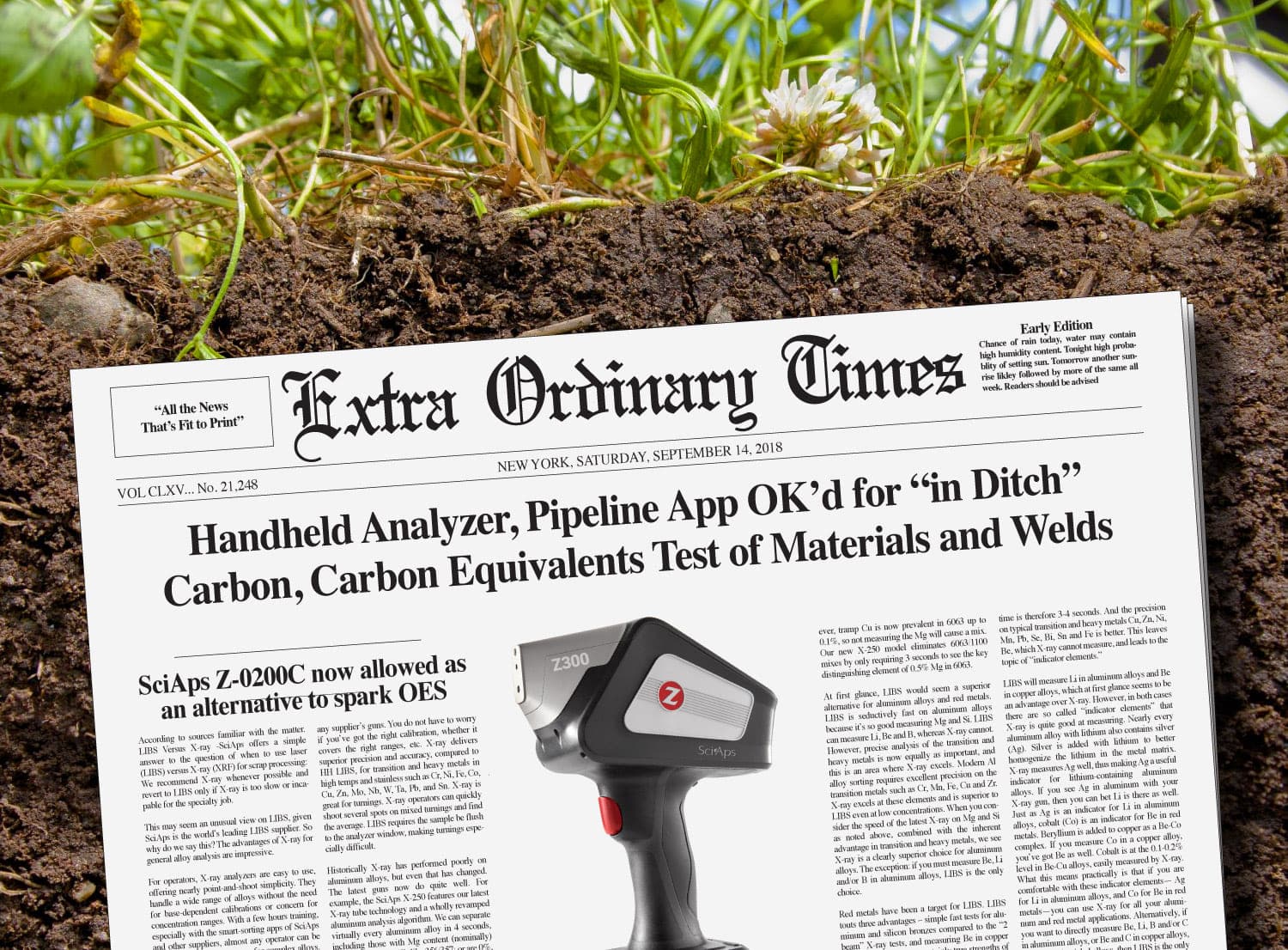
Handheld Analyzer, Pipeline App OK'd for "In Ditch" Carbon, Carbon Equivalents Tests of Materials and Welds
Most major pipeline operators will now accept carbon, CE test data from the SciAps HH LIBS as an alternative to spark OES.
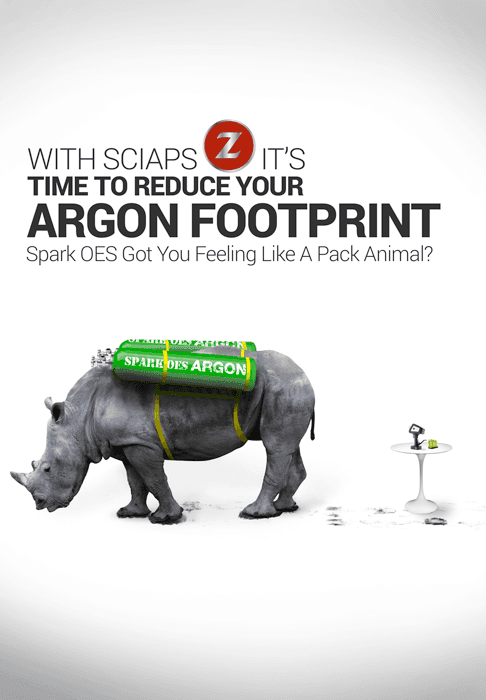
Reduce Your Argon Footprint
SciAps HH LIBS analyzer for carbon testing uses a tiny argon cartridge. It costs pennies per test, and argon is available virtually anywhere on the planet.
SciAps True Demo Stories, Episode 7: Getting Into the Swing
In windy locations, the wind blows away the argon purge from spark OES, thus degrading the results. Our HH LIBS analyzer fires a pulsed laser at the material to create a plasma. With the combination of fast laser and reduced argon, wind is no problem.