
Real-World AnalysisReal-World Stories
Explore insights, applications, and stories from the field using handheld XRF, LIBS, VisNIR, and portable benchtop analyzers across scrap recycling, mining, geochemistry, forensics, and more.
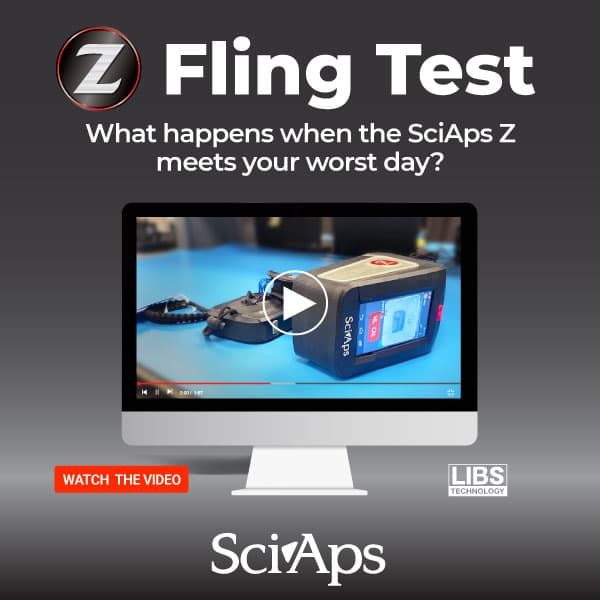
LIBS still works after fall — are you kidding?
You’ve heard about the XRF drop test from a 35-foot tower onto concrete. And about the XRF oops test with a 275-pound tool cabinet. Both analyzers still worked and cost little to repair. The newest success story in our “are you kidding me?” or “did I do that?” series comes from a SciAps customer using a classic Z-200 LIBS analyzer. This customer was testing aluminum when he slipped and fell with the analyzer still in his hand.
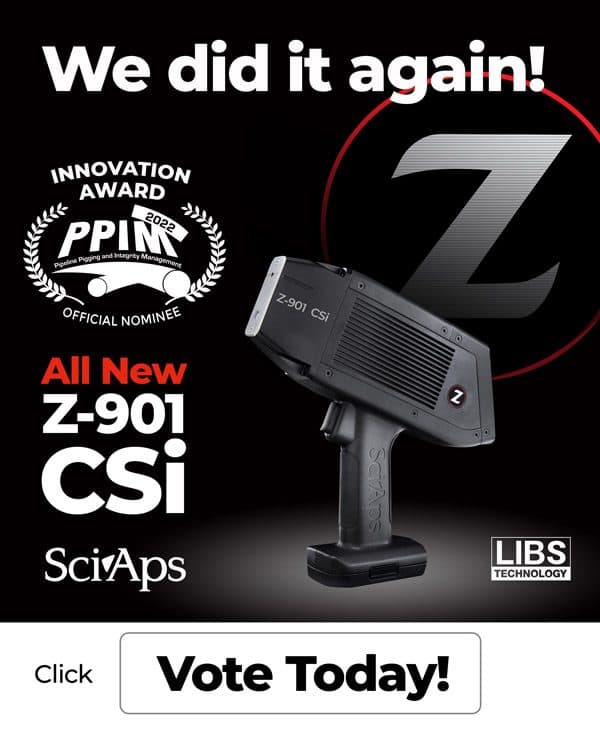
SciAps hLIBS is top five finalist for PPIM Innovation Award
Why did PPIM name SciAps LIBS a finalist for Innovation of the Year? Learn more about SciAps Z Series LIBS
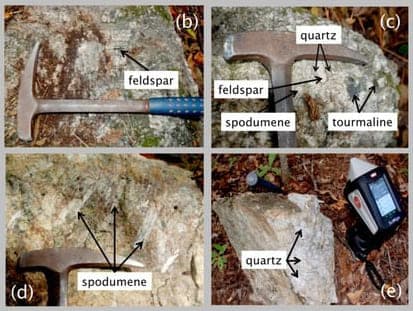
Handheld LIBS for Lithium Exploration: An Example from the Carolina Tin-Spodumene Belt, USA
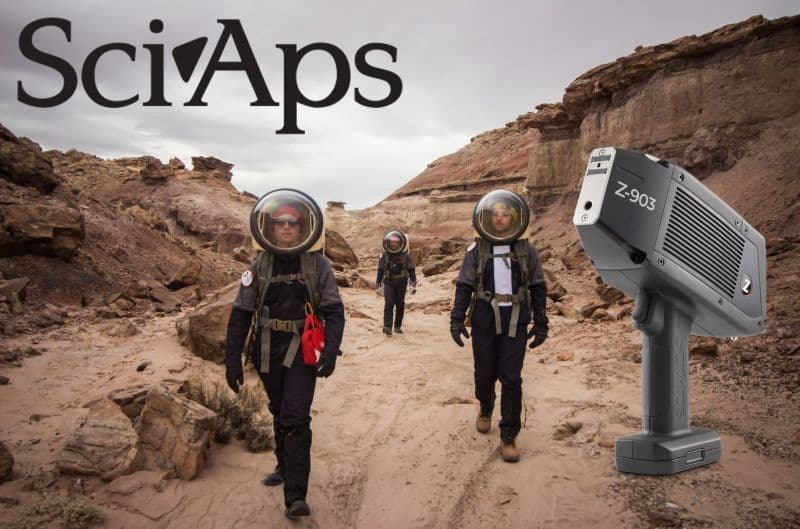
SciAps Z-903 LIBS in Mars simulation
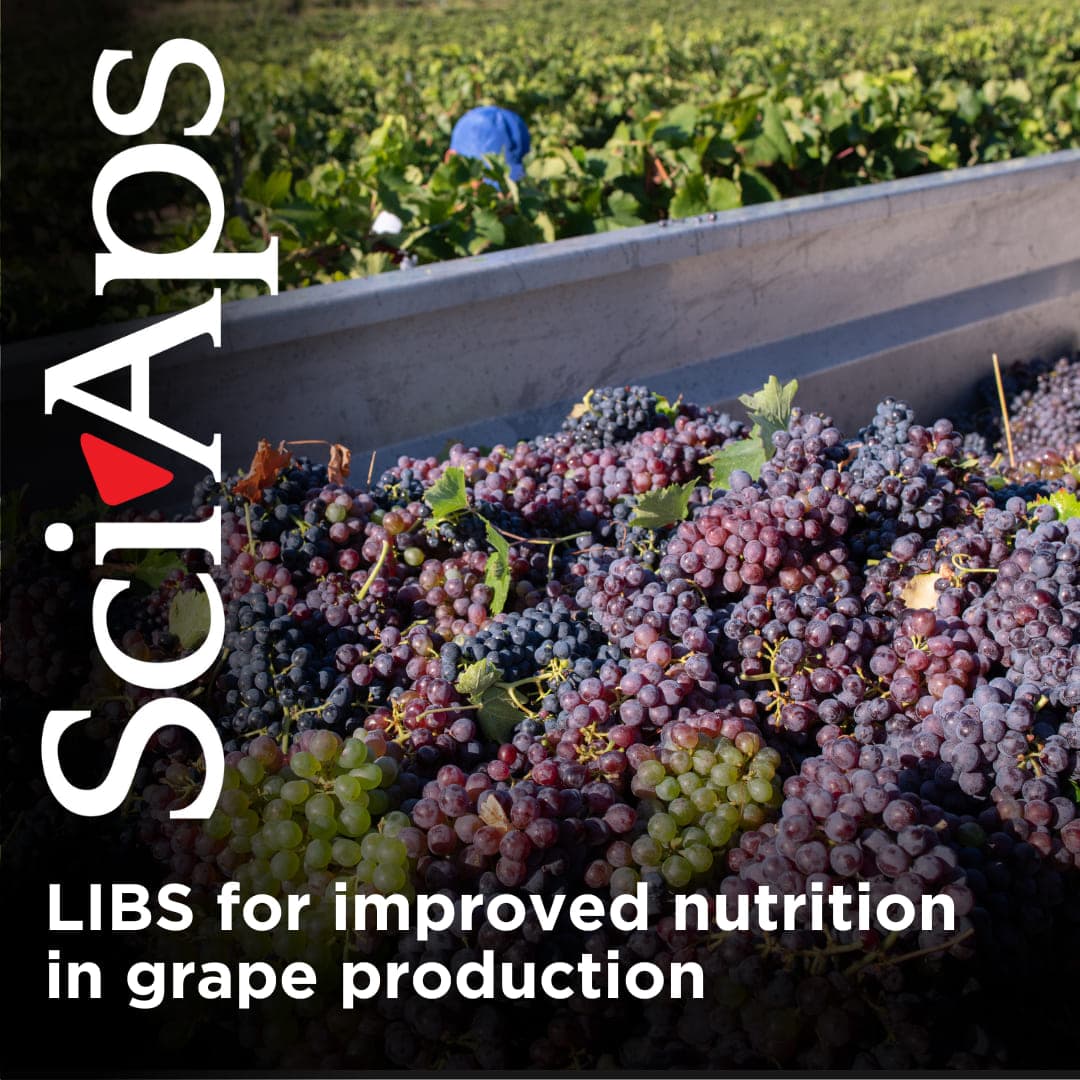
Finding a LIBS method for improved plant nutrition in grape production
One big, happy scrap family
You'll never be lost in the desert with SciAps
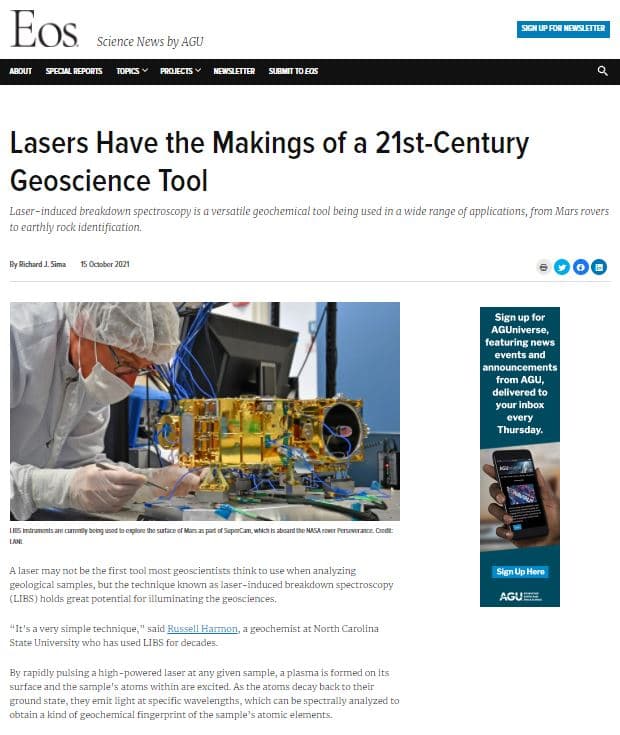
LIBS targeted for 21st-century geoscience
Lewis Owen of North Carolina State University is using the SciAps Z-300 handheld LIBS instrument to analyze rock varnish on granite boulders in the Alabama Hills of east central California. Credit: Harmon and Senesi, 2021.[/caption]In a recent AGU article, Richard Sima discusses the potential of LIBS for illuminating the geosciences. From the three instruments on the Mars rovers to the handheld LIBS used for fieldwork on Earth, Sima discusses the benefits and limitations of the versatile instrument.
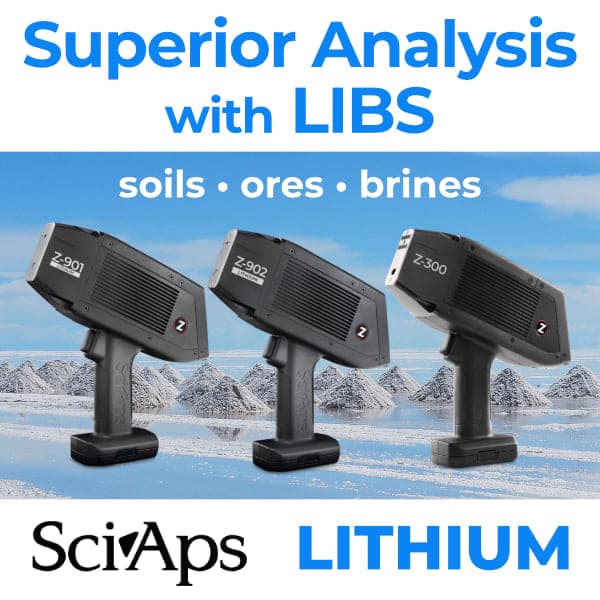
In-field analysis of lithium
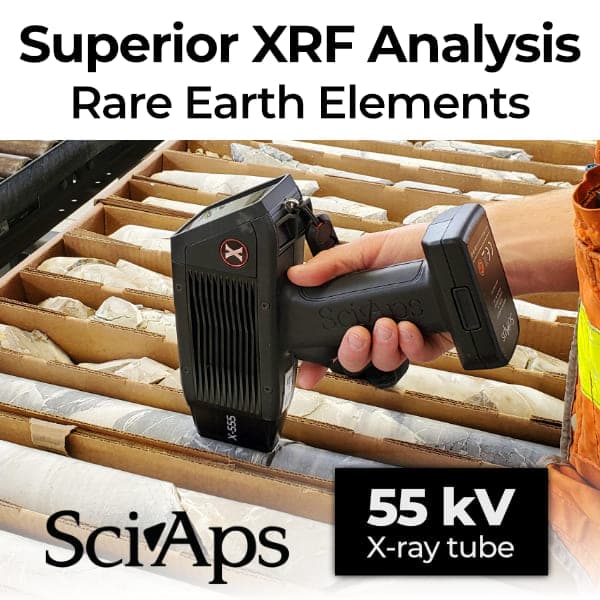
SciAps to revolutionize in-field analysis of lithium and rare earth elements
SciAps new family of handheld LIBS and XRF are built for exploration, production and recycling of lithium and REEs for the electric vehicle and strategic metals markets.
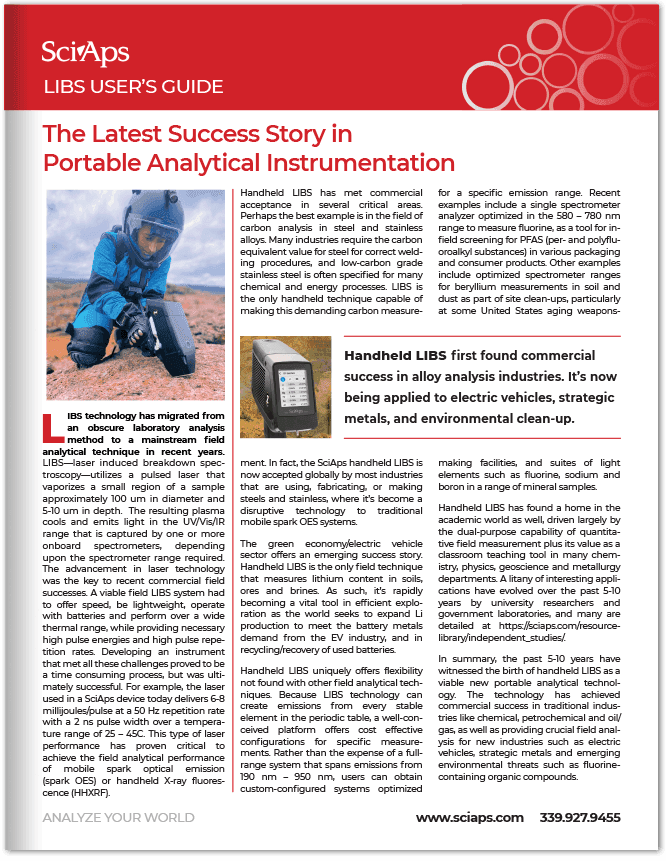
Handheld LIBS – The latest success story in portable analytical instrumentation
LIBS technology has migrated from an obscure laboratory analysis method to a mainstream field analytical technique in recent years. Read "Handheld LIBS – The latest success story in portable analytical instrumentation" by Don Sackett, SciAps CEO, in the recent edition of Spectroscopy magazine.
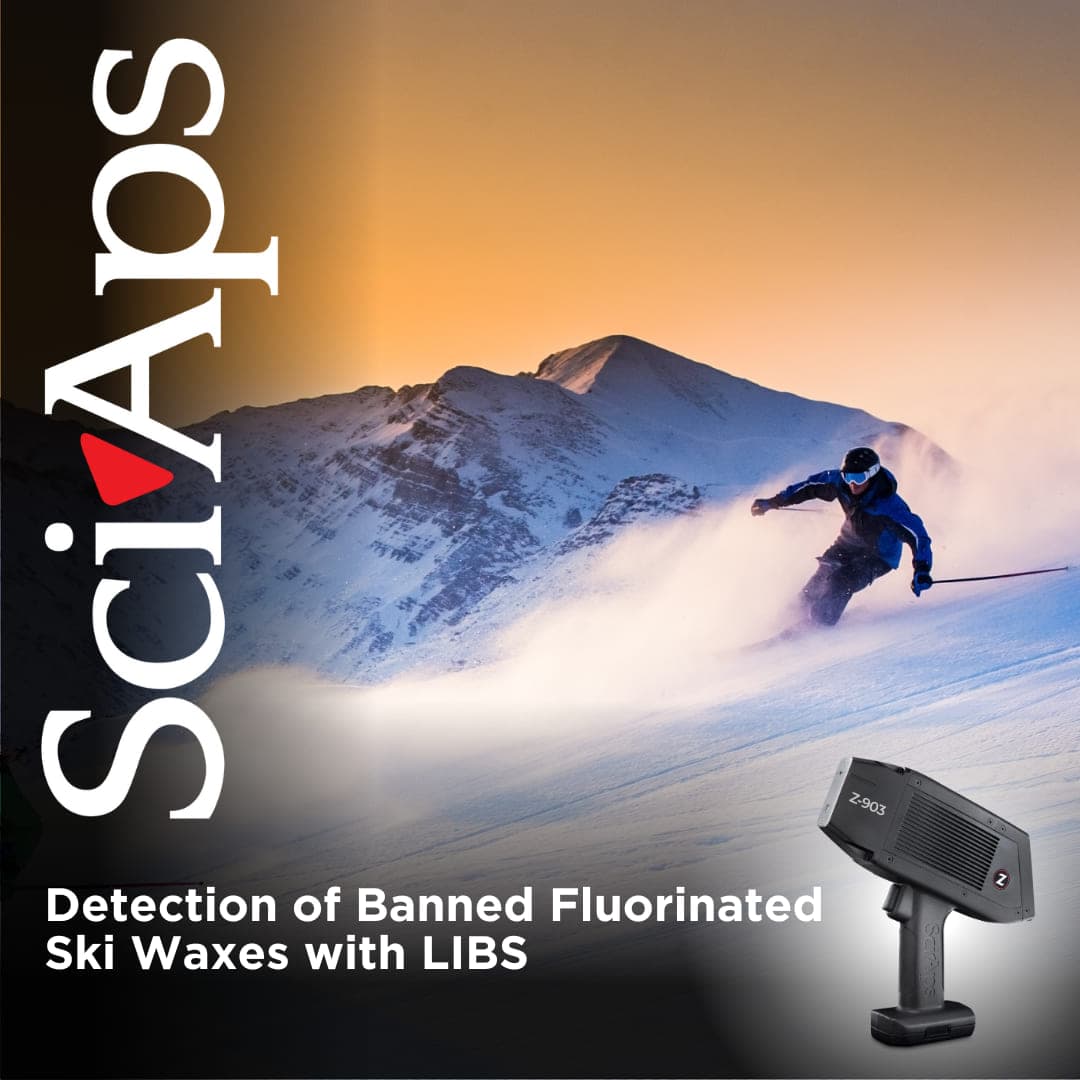
SciAps Instant Detection of Banned Fluorinated Ski Waxes with Handheld LIBS
Eight cross-country ski sections were evaluated in a blind study to determine if fluorine could be correctly identified.
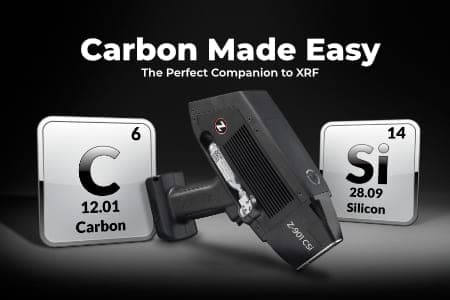
Why CSi? Carbon made easy for XRF users
Z-901 CSi, a dedicated carbon + silicon analyzer for low cost of entry. Until recently, portable testing required users to wear big backpacks with a cord and a probe as well as bring a bulky OES instrument with a huge argon tank into ditches or up towers to analyze their alloys. Companies were forced to buy an $80,000 instrument, more often than not, simply to measure the critical element carbon.
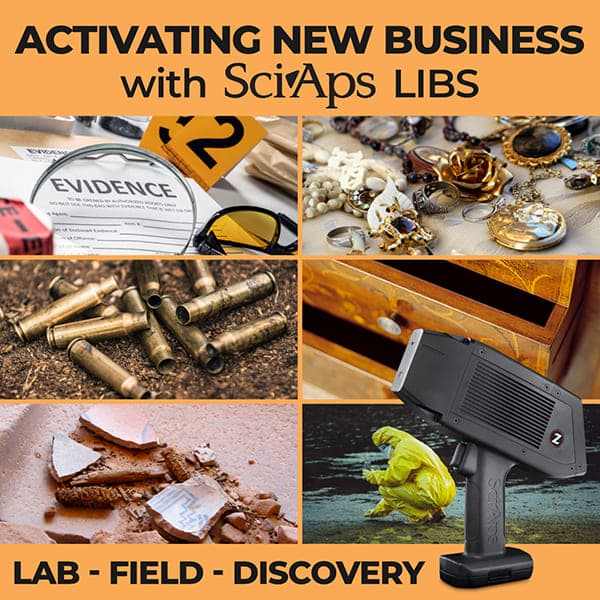
In-field chemistry everywhere with handheld LIBS
SciAps debuted the world’s first truly portable handheld only a few years ago, but Dr. Russell Harmon, a geochemist who has been working with laboratory LIBS for more than 20 years, says the real-time, rapid analysis capabilities of SciAps Z-series sets a new standard for chemical analysis in the field. His new mission is to spread the word. To find out how SciAps became the world's favorite handheld, read "Handheld LIBS—the latest success story in portable analytical instrumentation."
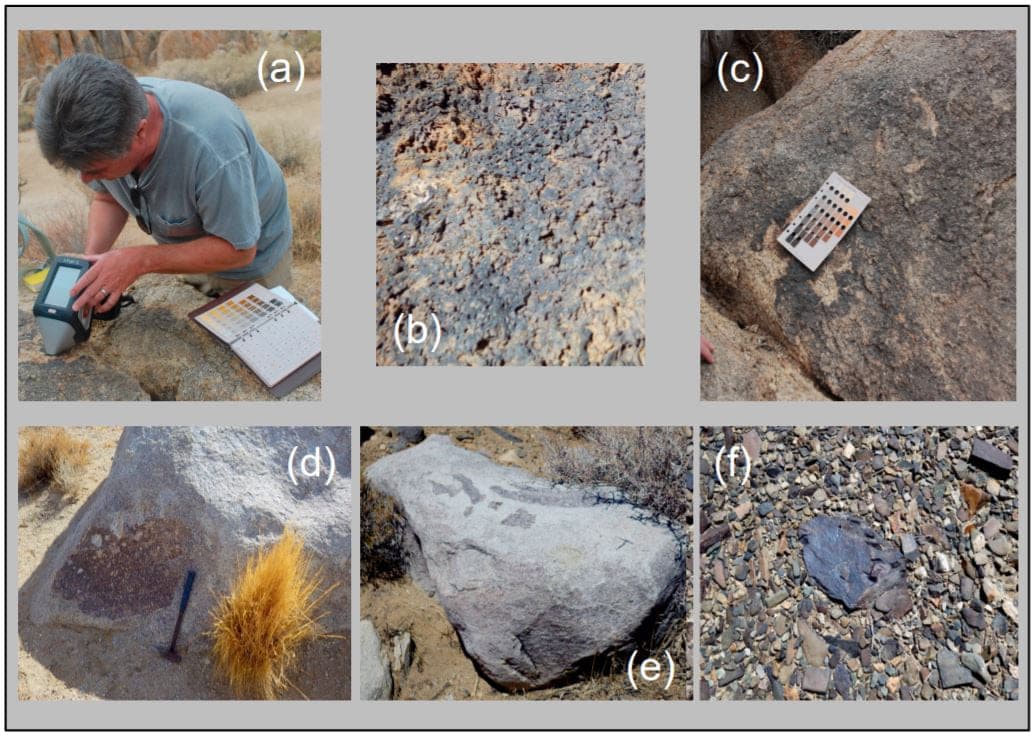
In-field analysis of rock varnish with SciAps LIBS
This study investigated the chemical composition of rock varnish using SciAps Z-300 handheld LIBS to determine LIBS utility for three applications: elemental detection and identification, micro-chemical mapping, and subsurface compositional profiling. In situ LIBS analysis of rock varnish and visually similar coatings on granite outcrops and boulders across the Mojave Desert climatic region recognized the most abundant elements in rock varnish—Mn, Fe, Si, Al, Na, K, Mg, Ca and Ba, along with the primary spectral lines for H, Li, Ti, V, Sr and Rb.
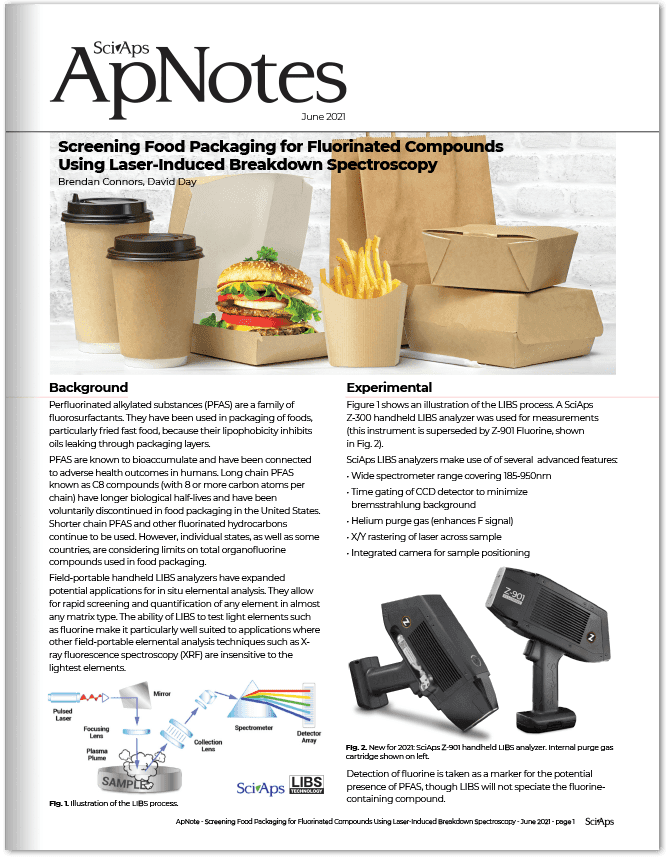
SciAps LIBS test method for fluorine in food packaging
Brendan Connors, SciAps senior scientist, has used the handheld LIBS to analyze the presence of fluorine as a marker for the potential presence of PFAS in popular food packaging, including burgers, chips and popcorn.